


Leather Wallet Guide: How to Choose, Style and Care for a Wallet That Lasts
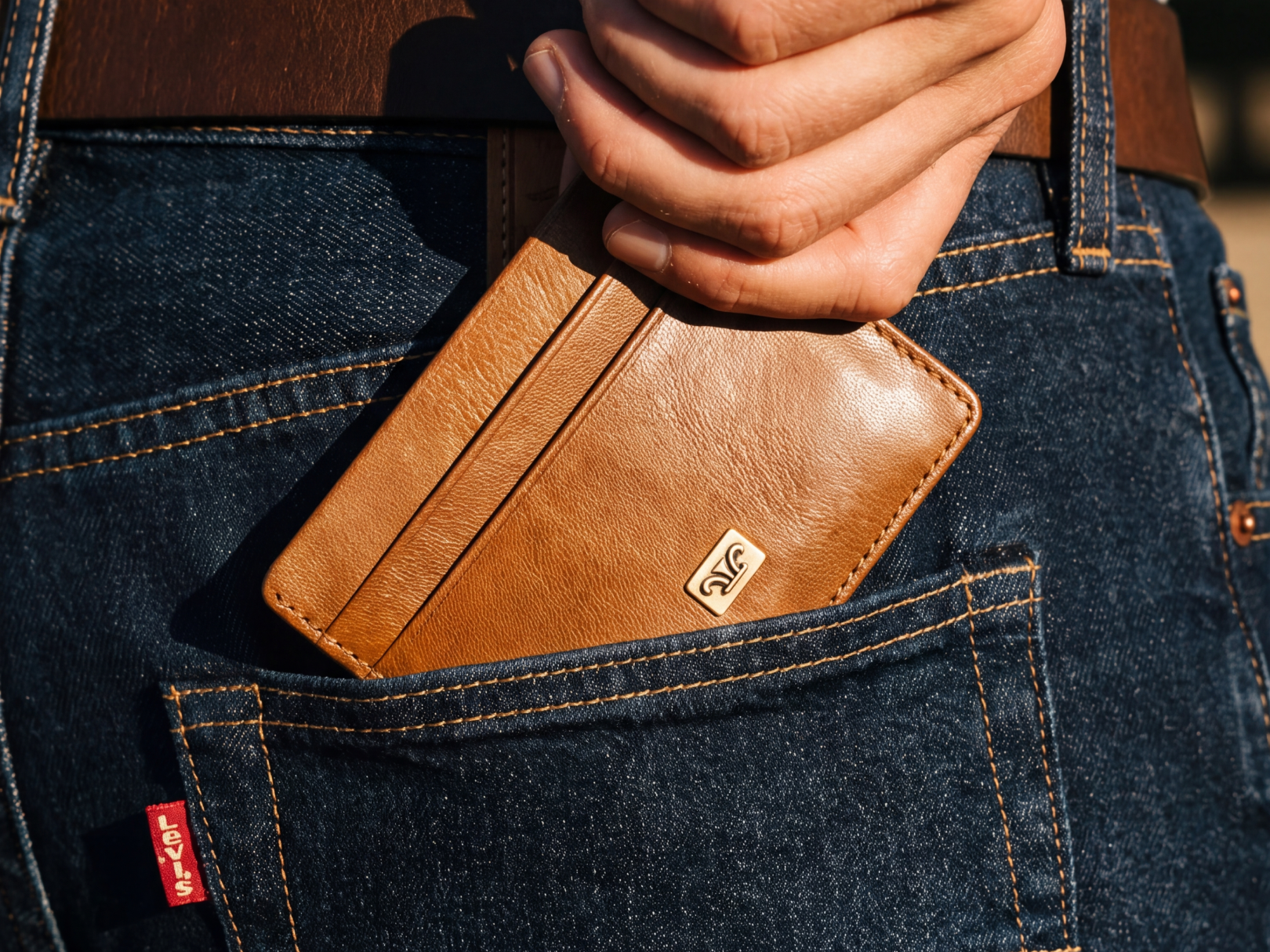
A wallet is the one accessory you touch every single day. It sits in your pocket or bag through meetings, commutes, airport queues and coffee runs, and it quietly shapes how you feel each time you pay for something or hand over a card. Yet most people choose a wallet in a hurry, based on a price tag or a photo, and end up replacing it within two years when the edges fray, the stitching loosens or the surface cracks.
A well-made leather wallet should do the opposite. It should get better with age, hold its shape, protect your cards and cash, and become something you are genuinely reluctant to replace. This guide explains how to get there. You will learn how leather grades differ, which wallet styles suit which lifestyles, how to judge construction quality, how a leather patina develops, and how to care for your wallet so it lasts for years.
Whether you are shopping for a men’s leather wallet, a women’s leather wallet, a slim cardholder or a thoughtful gift, the principles are the same. Learn what separates quality from imitation, and every purchase becomes easier. This article draws on the craft approach behind Kaizer Leather, a Dubai-based maker of handcrafted leather goods, but the advice applies to any wallet you may consider.
What You Will Learn in This Guide
- Why a leather wallet is still worth buying
- Understanding leather grades
- Vegetable-tanned vs chrome-tanned leather
- Wallet styles explained
- How to choose the right size and capacity
- Construction details that signal quality
- Men’s vs women’s leather wallets
- How leather patina develops
- How to care for your leather wallet
- Leather wallets as gifts
- Shopping in Dubai and why Kaizer
- Frequently asked questions
Why a Leather Wallet Is Still Worth Buying
Digital payments have changed how we spend, but they have not eliminated the wallet. Most of us still carry an Emirates ID or driver’s licence, a few bank cards, loyalty cards and some cash for tips or small shops. A phone battery that dies at the wrong moment makes a physical backup sensible, and a wallet remains the most organised way to keep essentials together.
Leather is the material of choice for good reasons. It is flexible yet strong, naturally resistant to wear, and capable of ageing gracefully. A wallet made from quality hide softens around your habits and deepens in colour as it absorbs the natural oils from your hands. Synthetic alternatives tend to crack or peel at the folds, because they are a coating on a backing fabric rather than a continuous natural fibre structure.
There is a practical argument too. A low-cost wallet replaced every couple of years can cost more across a decade than one well-made piece that lasts.
Understanding Leather Grades: Why the Label Matters

Not all leather is equal, and the word “genuine” on a label does not mean what most shoppers assume. Leather is graded by which part of the hide is used and how much of the natural surface is retained. Understanding these grades is the single most useful skill when shopping for a wallet.
Full-Grain Leather
Full-grain leather uses the top layer of the hide with its natural surface left intact. Because the grain is not sanded away, the fibres remain tight and dense, which makes the material the strongest and most durable of all grades. It also shows natural marks such as fine pores, small variations in texture and occasional healed scars. These are signs of authenticity, not defects.
Full-grain leather is the only grade that develops a true patina. Because the surface is open and breathable, it absorbs oils and responds to light, touch and time. For a wallet that is expected to last for years, full-grain leather is the benchmark. If you want to go deeper on this topic, Kaizer’s Full-Grain Leather Guide explains how to choose, spot and care for quality leather bags and wallets.
Top-Grain Leather
Top-grain leather also comes from the upper layer of the hide, but the surface is lightly sanded or buffed to remove imperfections. A finish coat is then applied for a more uniform look. It is thinner and more flexible than full-grain, and it resists stains slightly better, but it does not develop the same rich patina. Top-grain can be a reasonable choice for a wallet at a moderate price point, though it usually does not last as long as full-grain.
Genuine Leather
This is the term that confuses buyers most. “Genuine leather” technically means the product is made from real hide, but it often refers to the lower layers that remain after the top is split away. These layers are typically embossed with an artificial grain and coated with a finish. The result can look attractive at first, but it lacks the strength of the upper layers and tends to wear poorly.
Bonded Leather
Bonded leather is made from leather scraps and fibres pulverised and glued onto a backing, then embossed to look like hide. It contains very little actual leather and is not suitable for a wallet you expect to use daily. It peels and cracks within a short time.
A Quick Comparison
| Grade | Durability | Patina potential | Typical use |
|---|---|---|---|
| Full-grain | Excellent | Excellent | Premium wallets and bags |
| Top-grain | Very good | Limited | Mid-range wallets |
| Genuine | Moderate | Poor | Budget accessories |
| Bonded | Low | None | Very low-cost items |
When a brand does not state the grade clearly, that silence is itself information. Honest makers say exactly what they use.
Vegetable-Tanned vs Chrome-Tanned Leather
After grade, the second major factor is how the hide is tanned. Tanning is the process that converts raw animal skin into stable, durable leather, and the method influences feel, ageing and care. You can read a general overview of the process in this encyclopaedia entry on leather tanning.
Vegetable tanning uses natural tannins extracted from tree bark and other plant sources. It is a slower process, and the result is a firm, characterful leather that moulds to use and develops a beautiful patina. Vegetable-tanned leather tends to start a little stiffer and then relax over time. Kaizer’s homepage describes its tote collection as made from Italian vegetable-tanned leather, an approach valued for its depth and ageing qualities.
Chrome tanning uses chromium salts and is much faster. It produces soft, supple, colour-consistent leather that resists water and heat better. It is common in mass-produced goods and can look excellent, but it ages differently, with less of the deep colour change that vegetable-tanned leather is known for.
Neither is universally better. If you want a wallet that starts soft and stays uniform, chrome-tanned leather may suit you. If you want a wallet that develops visible character and a unique patina, vegetable-tanned full-grain leather is hard to beat.
Wallet Styles Explained: Which One Suits You?

Choosing the right style matters as much as choosing the right leather. A beautifully made wallet that does not fit how you live will end up in a drawer. Here are the main types and who they suit.
Bifold Wallets
The bifold is the classic. It folds once down the middle, offering card slots on both sides, a full-length compartment for notes and often an ID window. It is balanced, familiar and works well in a back pocket or a bag. A good bifold carries six to ten cards and a modest amount of cash without becoming bulky.
Best for: people who want a traditional wallet that handles everyday needs.
Trifold Wallets
A trifold folds twice and offers more compartments, which suits people who carry many cards, photos or receipts. The trade-off is thickness. A trifold that is overfilled becomes uncomfortable in a back pocket and can distort the leather over time.
Best for: those who prefer to keep everything in one place and carry the wallet in a bag or jacket.
Slim Wallets and Cardholders
The slim wallet and the leather cardholder have grown popular because many people now carry only a few essentials. A cardholder typically holds three to six cards and perhaps a few folded notes. It fits in a front pocket or the smallest bag and keeps the silhouette clean.
Kaizer offers a dedicated range of leather cardholders for men and cardholder wallets for women, each designed to stay slim without sacrificing leather quality.
Best for: minimalists, frequent travellers and anyone who mainly uses cards or a phone for payment.
Long Wallets and Travel Wallets
Long wallets, sometimes called continental wallets, hold notes flat without folding and provide space for many cards, a phone in some designs, and a passport in the travel versions. A travel wallet is built to carry a passport, boarding passes, cards, foreign currency and a pen, which is useful in a city like Dubai where many residents travel frequently.
Among Kaizer’s most requested pieces is the Wittet Croco Travel Wallet, currently listed on the homepage at AED 750, down from AED 789.
Best for: frequent flyers, business travellers and people who carry a lot of documents.
Zip-Around Wallets
Zip-around wallets close fully with a zipper, which keeps coins, cards and notes secure and prevents items from slipping out. They are popular with women and with anyone who carries loose change. They are often slightly bulkier than other styles, and the zipper adds a point of potential wear, so look for sturdy hardware.
Best for: people who carry coins and want maximum security.
Clutch Wallets
A clutch wallet is a larger wallet designed to be carried in the hand or dropped into a handbag. It offers generous space for a phone, cards, cash and sometimes keys. It sits between a wallet and a small bag and is a favourite for evenings out and events.
Best for: women who want an elegant, all-in-one accessory, or anyone who prefers to carry fewer items.
How to Choose the Right Size and Capacity
Many people buy a wallet that looks good in the shop but does not match what they actually carry. Three quick checks avoid that.
Audit your contents. Empty your current wallet onto a table and separate daily essentials from old receipts, expired cards and loyalty cards you never use. Most people find a smaller wallet is perfectly adequate.
Match the wallet to your pocket or bag. A slim bifold or cardholder is the most comfortable for a back or front pocket. A thick wallet in a back pocket tilts the pelvis when you sit. If you carry a bag or jacket, a larger wallet becomes practical.
Allow for stretch. Leather loosens slightly with use, especially in card slots, so a snug fit at purchase is normal. Overstuffing accelerates stretching and can permanently distort the shape.
Construction Details That Signal Quality
Two wallets can look similar in a photo and feel completely different in the hand. These details reveal real craftsmanship:
- Stitching: Look for evenly spaced, tight stitches with no loose threads, and reinforcement at stress points such as the top of card slots.
- Edges: Premium pieces have smooth, sealed, burnished or painted edges. Rough or peeling edges are often the first place a cheap wallet fails.
- Lining and interior: Layers should sit flat without bubbling. Card slots should hold cards firmly without making them hard to remove.
- Hardware: Zippers and snaps should operate smoothly and feel solid, with a finish that will not chip quickly.
- Overall balance: Panels line up, seams run straight, and colour is consistent apart from natural grain variation.
Men’s vs Women’s Leather Wallets
 There is no rule that says a wallet must follow a gendered design, but the market has traditionally split the two, and the differences are largely about size, carry habits and features.
Men’s Leather Wallets
Men’s wallets are typically designed for pocket carry, so slim bifolds and cardholders dominate. Colours lean towards black, brown, tan and deep burgundy, which suit business and casual wear alike. Kaizer’s men’s wallet collection covers a wide range, and the brand’s collections such as Zenith, Infinity and Adroit each approach the wallet with a slightly different character.
If you want a matching set, consider pairing a wallet with a leather key holder or a luxury leather belt. Coordinating leather tones across small accessories creates a polished, intentional look.
Women’s Leather Wallets
Women’s wallets are usually designed to sit in a handbag, which allows for more variety. You will find compact zip-around wallets, larger organiser wallets, wristlet clutches and slim cardholders. Colour ranges are broader, and many women choose a wallet that coordinates with, or deliberately contrasts with, their handbag.
Kaizer’s leather wallets for women include pieces in the Ascot and Cosset collections. The Ascot Wallet is listed at AED 473, and the Cosset collection offers wallets alongside shoulder bags. If you are building a coordinated set, our leather handbags for women guide and leather tote bag guide help you match the wallet to the bag.
How Leather Patina Develops on a Wallet
One of the great pleasures of owning a full-grain leather wallet is watching it change. This change is called patina, and it is the reason enthusiasts prefer natural, unfinished leather to heavily coated alternatives.
Kaizer describes patina as the natural layer of oils that develops on full-grain leather over time, a sign of quality rather than imperfection. The brand’s own leather patina page explains that every piece develops a patina derived from its owner, which is why no two wallets ever look exactly alike.
The Typical Timeline
- Day one: The wallet arrives crisp and pristine. The surface is even and the grain is clearly visible.
- First weeks: Natural oils from your hands begin to warm and soften the surface. The first signs of patina appear.
- Around three months: A distinct lustre emerges. Natural creases start to form where the wallet folds and where you grip it.
- After one year: The colour is richer and deeper. The wallet has moulded to your habits and feels like it belongs to you.
- Over a lifetime: The wallet becomes a personal heirloom, with a surface that records years of use.
What Affects Patina
Several factors influence how quickly and how richly patina develops. Frequency of handling matters, because oils and friction drive the change. Exposure to sunlight deepens and darkens many leathers. Humidity, climate and the way you carry the wallet all play a part. In a warm climate such as the UAE, leather often develops patina faster, though you should avoid leaving a wallet on a car dashboard, where intense heat can dry and damage it.
Scratches, Creases and Marks
Many new owners worry about the first scratch. In full-grain leather, light scratches often blend into the surface as the oils work and the leather is handled. Creases are natural and form where the leather folds. These marks are part of the story, not damage. As Kaizer’s patina page notes, slight scratches can enhance the character of a premium patina, and the wallet starts to fit your hand better with continual use.
If you would like to see patina in action, Kaizer shares leather craftsmanship stories, patina journeys and care guides on its YouTube channel, including behind-the-scenes content from the Dubai workshop.
How to Care for Your Leather Wallet
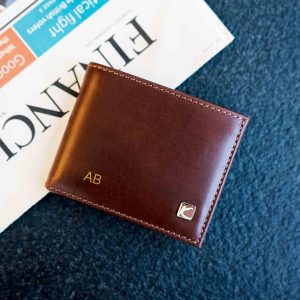 Good leather is tough, but it responds to how you treat it. A few simple habits add years to a wallet’s life.
- Do not overstuff it. Overfilling stretches the leather and strains the stitching. Clear out old receipts and cards regularly.
- Avoid excess heat. Heat dries out natural oils. Never leave your wallet in a hot car or on a sunny windowsill.
- Dry it naturally if it gets wet. Blot with a clean cloth and let it dry at room temperature. A hairdryer or radiator can stiffen and warp the leather.
- Clean gently. Wipe with a soft, slightly damp cloth. Avoid household cleaners and alcohol wipes, and test any dedicated leather cleaner on a hidden area first.
- Condition sparingly. Once or twice a year is usually enough. Over-conditioning can darken leather unevenly and leave it greasy.
- Store it well. Keep it in a dust bag or drawer, away from sharp objects, and never in airtight plastic that traps moisture.
For broader care guidance, see Kaizer’s Full-Grain Leather Guide and the brand’s FAQ page.
Leather Wallets as Gifts
A leather wallet is one of the most dependable gifts you can give. It is useful, personal and long-lasting, and it suits birthdays, anniversaries, graduations and promotions alike.
If you are buying for someone else, observe how they carry things. Do they use a slim cardholder, a thick bifold or a travel wallet? When in doubt, a black or dark brown bifold or slim cardholder suits most people. A wallet also pairs naturally with a key holder or a leather notebook to make a small set.
Wallets are a classic corporate gift too. Kaizer offers corporate gifts and a dedicated corporate lookbook, with bespoke patina services for brands, hotels and private collections.
Shopping for a Leather Wallet in Dubai and Why Kaizer
Dubai has a vibrant retail scene, so the challenge is separating genuine craftsmanship from mass-produced stock. Buy from makers who state their leather grade and origin, consider how the UAE climate affects leather (condition it sensibly and keep it out of parked cars), and browse by collection so your wallet, belt and bag share a design language.
Kaizer Leather is a Dubai-based maker of handcrafted leather goods, focused on full-grain leather and designs that age well rather than follow short-lived trends. Its wallet range spans men’s and women’s styles, slim cardholders, travel wallets and key holders. You can read more on the About Us page, find a showroom on the stores page, or check current sale pieces. At the time of writing, the site advertises free UAE delivery and a credit of AED 100 when you register for your first purchase. Terms can change, so confirm at checkout.
To start browsing, explore the men’s wallet collection, the women’s wallets and cardholders, or the main Kaizer Leather store.
Frequently Asked Questions About Leather Wallets
What is the best type of leather for a wallet?
Full-grain leather is widely considered the best choice for a wallet because it uses the strongest part of the hide with the natural surface intact. It is durable, breathable and develops a rich patina over time. Top-grain is a reasonable alternative at a lower price, while genuine and bonded leather generally wear out faster.
How long does a leather wallet last?
With regular use and basic care, a well-made full-grain leather wallet can last many years, and often a decade or more. Lifespan depends on the leather quality, construction, how much you carry and how you look after it. Overstuffing, heat exposure and neglect shorten it considerably.
Is a bifold or slim wallet better?
It depends on what you carry. A bifold suits people who want a classic wallet with room for cards and notes. A slim wallet or cardholder suits those who carry only a few cards and want a low-profile fit. Choose based on your daily needs and where you carry it.
How do I clean a leather wallet?
Wipe it with a soft, slightly damp cloth, then let it air dry away from heat. Avoid harsh chemicals, alcohol and household cleaners. For stubborn stains, use a dedicated leather cleaner after testing it on a hidden area, or consult a leather professional.
Is it normal for a leather wallet to scratch and crease?
Yes. Scratches and creases are natural, especially on full-grain leather. Light marks often blend into the surface over time as oils work into the leather, and creases form where the leather folds. Together they form the patina that makes your wallet unique.
What is leather patina?
Patina is the natural change in colour, texture and sheen that develops on full-grain leather through handling, light and time. It deepens the colour, adds a soft lustre and gives each piece a personal character. You can learn more on Kaizer’s leather patina page.
Does Kaizer offer wallets for both men and women?
Yes. Kaizer offers a men’s wallet collection as well as wallets and cardholders for women, along with key holders and corporate gifting options.
Final Thoughts: Choose a Wallet That Grows With You
A wallet is a small purchase with a large daily impact. The right one feels good in your hand, keeps your essentials organised and improves with age. The wrong one frays, stretches and ends up in the bin.
To choose well, start with the leather. Look for full-grain leather and clear information from the maker. Match the style to the way you carry, whether that is a slim cardholder, a classic bifold or a travel wallet. Inspect the stitching, edges and hardware. Care for it with simple habits, and let patina do what it does best. Over time, your wallet will carry the marks of your life, and that is exactly what makes it worth keeping.
Ready to find yours? See the full range at Kaizer Leather and register to claim the first-purchase credit currently advertised.
Want to see how leather ages and how it is made? Watch craftsmanship stories and patina journeys on the Kaizer Leather YouTube channel.