


Full-Grain Leather Guide: How to Choose, Spot and Care for Quality Leather Bags and Wallets
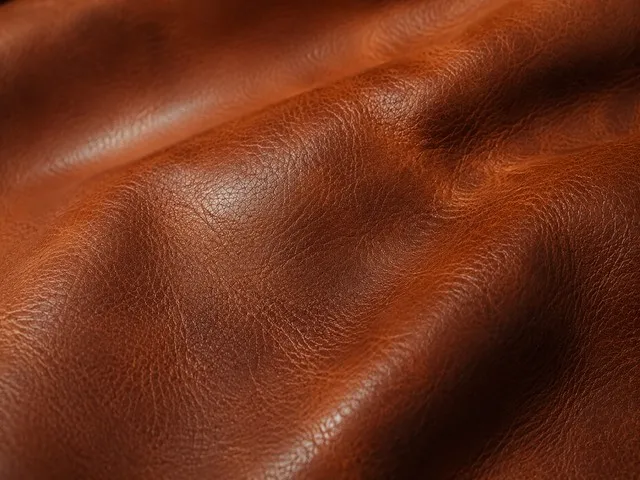
If you have ever stood in front of two leather bags that look almost identical but carry wildly different price tags, you already know the problem this guide solves. The word “leather” covers everything from a hide that will outlive its owner to a coated scrap that cracks within a year. Full-grain leather bags and wallets sit at the top of that spectrum, and understanding why will change how you shop for every leather product you buy from now on.
At Kaizer Leather, we have spent more than 15 years cutting, stitching and finishing leather by hand in Dubai. This guide shares what we have learned: what full-grain leather really is, how it compares with other grades, how to tell the real thing from a convincing imitation, how it ages, and how to look after it in the heat and humidity of the UAE. Whether you are choosing a first work bag, a gift, or a wallet that will last a decade, you will leave with a clear checklist.
Table of Contents
- What Is Full-Grain Leather?
- Leather Grades Compared
- Why “Genuine Leather” Can Be Misleading
- How to Spot Real Full-Grain Leather
- Vegetable-Tanned vs Chrome-Tanned Leather
- Leather Patina: How Quality Leather Ages
- Choosing the Right Leather Product
- Leather Care in the UAE Climate
- Step-by-Step Leather Care Routine
- Buying Checklist: 10 Questions to Ask Before You Pay
- Why Choose Kaizer Leather
- Frequently Asked Questions
What Is Full-Grain Leather?
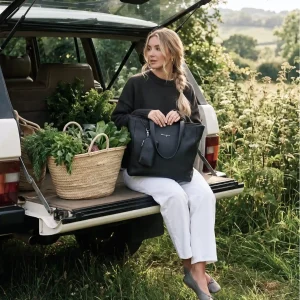 Every animal hide has layers. The outermost layer, the one that faced the elements during the animal’s life, is called the grain. It is the densest, strongest part of the hide, with tightly packed fibres that give leather its famous resilience. Full-grain leather is leather that keeps this entire grain layer intact. Nothing is sanded off, buffed away or covered up to hide natural marks.
This matters for three practical reasons.
Strength. Because the dense surface fibres are preserved, full-grain leather resists tearing, scuffing and everyday abrasion better than leather that has been sanded down. A bag strap that carries a laptop every day for years needs exactly this kind of structure.
Breathability. The natural pores remain open, which lets the leather breathe. This helps it handle moisture and temperature swings more gracefully than leather sealed under a heavy plastic-like coating.
Character. Natural marks such as small scars, healed insect bites and grain variations are not defects in full-grain leather. They are proof of an untouched hide. Because only high-quality hides can be used without correction, full-grain is widely regarded as the premium end of the market. The general reference on leather and its grades describes full-grain as the grade that contains the entire grain layer without any removal of the surface.
Full-grain leather is also the grade that develops the richest patina, the soft glow and deepening colour that appears with use. We cover this in detail below, and you can see how we approach it on our leather patina page.
Leather Grades Compared
There is no single, legally standardised grading system for leather worldwide, which is part of why shopping can feel confusing. Most makers, however, recognise the same broad tiers. Here is how they compare in practice.
| Grade | What It Is | Durability | Appearance | Ages With a Patina? |
|---|---|---|---|---|
| Full-grain | Entire grain layer kept intact, no surface removal | Highest | Natural texture, visible marks | Yes, richly |
| Top-grain | Grain surface sanded or buffed to remove blemishes | High | More uniform, smoother | Slowly, less depth |
| Corrected-grain | Heavily buffed, then embossed and coated with an artificial grain | Moderate | Very uniform, plastic-like finish | Barely |
| Split leather | Lower fibrous layers of the hide, often coated | Lower | Flat, often sprayed or embossed | No |
| Bonded leather | Shredded leather scraps glued to a backing | Lowest | Uniform, synthetic feel | No |
A few notes on reading this table.
Top-grain leather is not “bad” leather. It is a respectable choice for furniture, some belts and mid-range wallets, and it can feel very smooth. The trade-off is that sanding removes the strongest part of the hide’s surface, and a finishing coat is usually added to compensate. The result is more consistent but less characterful, and it tends to age less dramatically.
Corrected-grain and split leather are where quality starts to fall away. They are often finished with polyurethane or embossed to imitate natural grain. They can look striking on a shelf, but the finish is a surface layer rather than the leather itself, which is why such pieces can peel or crack over time.
Bonded leather is not really leather in the way most shoppers mean it. It is a composite, and we recommend avoiding it for any item you expect to use daily.
Why “Genuine Leather” Can Be Misleading
Here is the part that surprises most buyers: “genuine leather” on a label is not a quality promise. It simply tells you the product contains real animal hide of some kind. Full-grain, top-grain and split leather can all legally be described as genuine leather, which means the phrase can sit on a premium bag and a bargain one at the same time.
This is why serious leather shoppers look past the headline term and ask more specific questions. Which grade is it? How was it tanned? Is the surface natural or corrected? Where was it made? A brand that is proud of its materials will answer these questions plainly. A brand that responds with only “100% genuine leather” may be hiding something.
At Kaizer, our pieces are crafted from full-grain leather and described that way on purpose, because the grade is the first thing that determines how a bag or wallet will perform five years from now. If you want to explore the full range, start with our women’s leather bags and men’s leather bags collections.
How to Spot Real Full-Grain Leather
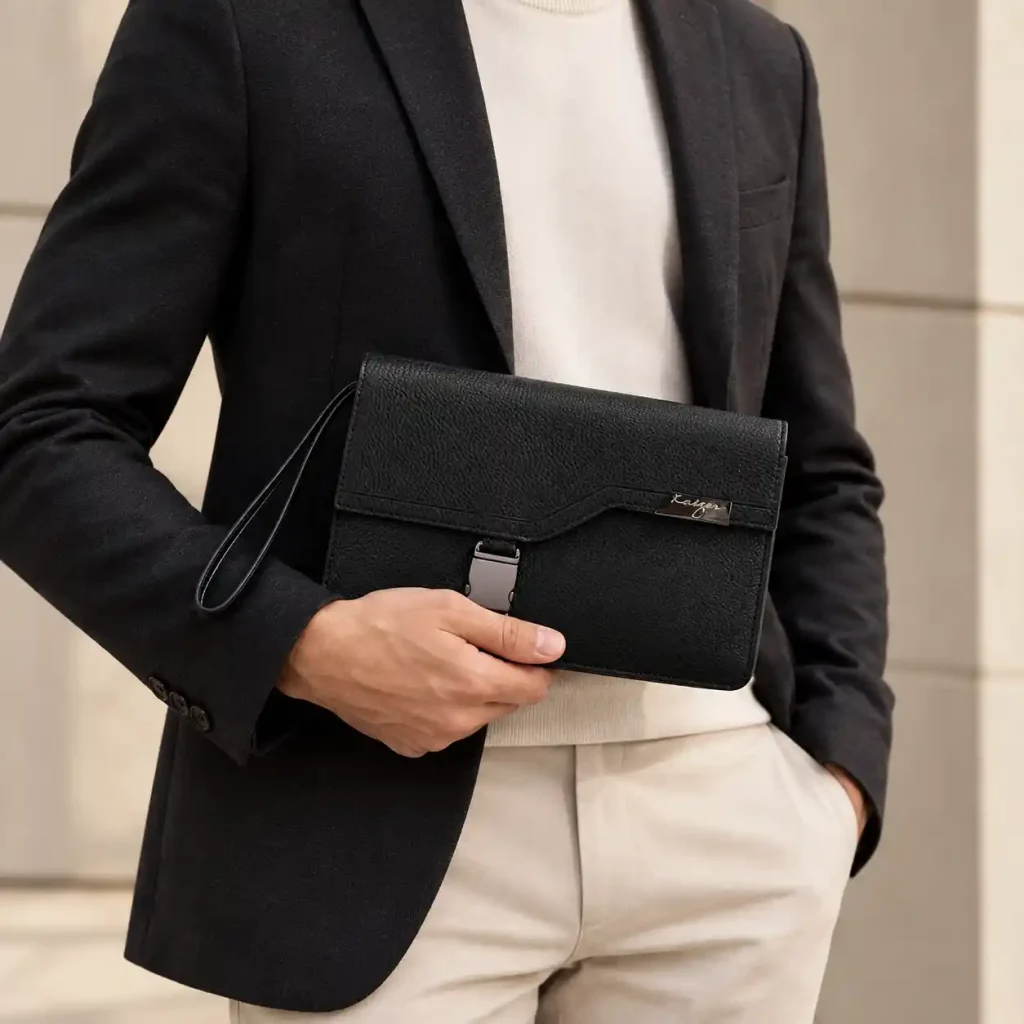 You do not need a laboratory to evaluate leather. Most of the evidence is visible and tactile. Use the checks below in a shop, or when you unbox an online order.
1. Look at the surface closely
Real full-grain leather has an irregular, organic texture. Look for tiny pores, subtle variation in grain, and the occasional healed mark. If every square centimetre looks identical, like a repeated printed pattern, the grain has probably been embossed. Perfect uniformity is a warning sign in leather, not a selling point.
2. Check the edges
Turn the bag or wallet over and examine a cut edge, such as the inside of a strap or the edge of a card slot. Genuine leather shows a rough, fibrous cross-section, like compressed suede. Synthetic materials usually show a smooth, plastic or fabric-like layer with a visible backing. Many quality makers polish and burnish the edge, so a sealed edge is not a red flag by itself, but you should still be able to see natural fibre structure where leather is left raw.
3. Try the water-drop test
Place a single drop of water on an inconspicuous area. Unfinished or lightly finished full-grain leather will slowly absorb the drop and darken briefly before drying. A coated surface will let the droplet sit on top. This test is only safe on hidden spots, and we do not recommend it on dyed or delicate finishes.
4. Inspect the stitching and hardware
Leather quality and craftsmanship usually travel together. Look for even stitch length, secure thread ends, clean edge finishing, solid zips and weighty metal hardware. A beautiful hide with careless stitching will still fail early. Our approach to construction is covered in our about us page.
5. Ask about the grade and origin
The simplest test is a direct question. A trustworthy seller can tell you the grade, the tannery origin or region, and the tanning method. If they cannot, treat that as information.
Vegetable-Tanned vs Chrome-Tanned Leather
After grade, the next thing that shapes a leather product is how the hide was tanned. Tanning is the process that turns raw, perishable hide into stable leather. Two methods dominate the market.
Vegetable tanning uses natural tannins extracted from tree bark and plant material. It is a slow process, often taking weeks, and it produces firm leather with a natural, earthy character. Vegetable-tanned leather is prized for how beautifully it develops a patina. It starts a little stiffer, softens with use, and gradually darkens and warms. You can read more about the technique in the overview of leather tanning.
Chrome tanning uses mineral salts and is much faster, often finished in a day or two. It yields softer, more flexible leather that is more resistant to water and heat from the start. It is the dominant method worldwide, but it tends to age more subtly than vegetable-tanned hides.
Neither method is automatically “better”. Vegetable-tanned leather is the choice for people who want a bag or wallet that changes dramatically and beautifully over time. Chrome-tanned leather suits people who prefer softness out of the box and a more stable, low-maintenance look.
Kaizer’s tote collection draws on Italian vegetable-tanned leather for its warmth and depth, which is one reason those pieces reward long-term use. If you are drawn to roomy everyday carry, our tote bags collection is the place to begin, and our in-depth leather tote bag guide covers sizing, styling and care for that category in detail.
Leather Patina: How Quality Leather Ages
Patina is the reason many people fall in love with leather and never go back to anything else. It is the natural change in colour, texture and sheen that develops on full-grain leather as it absorbs oils from your hands, sunlight and everyday handling. It is not damage. It is the leather becoming more itself.
Here is a typical journey.
Day one. The piece arrives crisp, even and fresh, with its natural surface intact.
The first weeks. Natural oils from handling begin to warm the surface. Handles and edges soften first, because they are touched most.
Around three months. A visible lustre emerges. Natural creases deepen and the leather starts to record your habits, such as which pocket you reach into and which way you set it down.
After one year. Colour grows richer and deeper, with darker patches where the leather is handled most and lighter areas where it is protected.
Over a lifetime. The piece becomes a personal heirloom, shaped entirely by its owner.
Because patina depends on the open grain of the leather, full-grain hides do it best. Top-grain leather, which has been sanded and coated, develops patina slowly and with less depth, and corrected or bonded materials do not develop it at all. That is why patina cannot be faked. If you would like to see how this process looks and why we celebrate it rather than hide it, visit our dedicated leather patina guide.
Patina on video
Reading about patina is useful, but seeing it is better. On the Kaizer Leather YouTube channel, we share craftsmanship stories, care guides and behind-the-scenes footage from our Dubai workshop, so you can watch leather being cut, stitched and finished, and see how real pieces change over time. If you enjoy that kind of detail, you can subscribe on YouTube to follow new videos as they are published.
Choosing the Right Leather Product
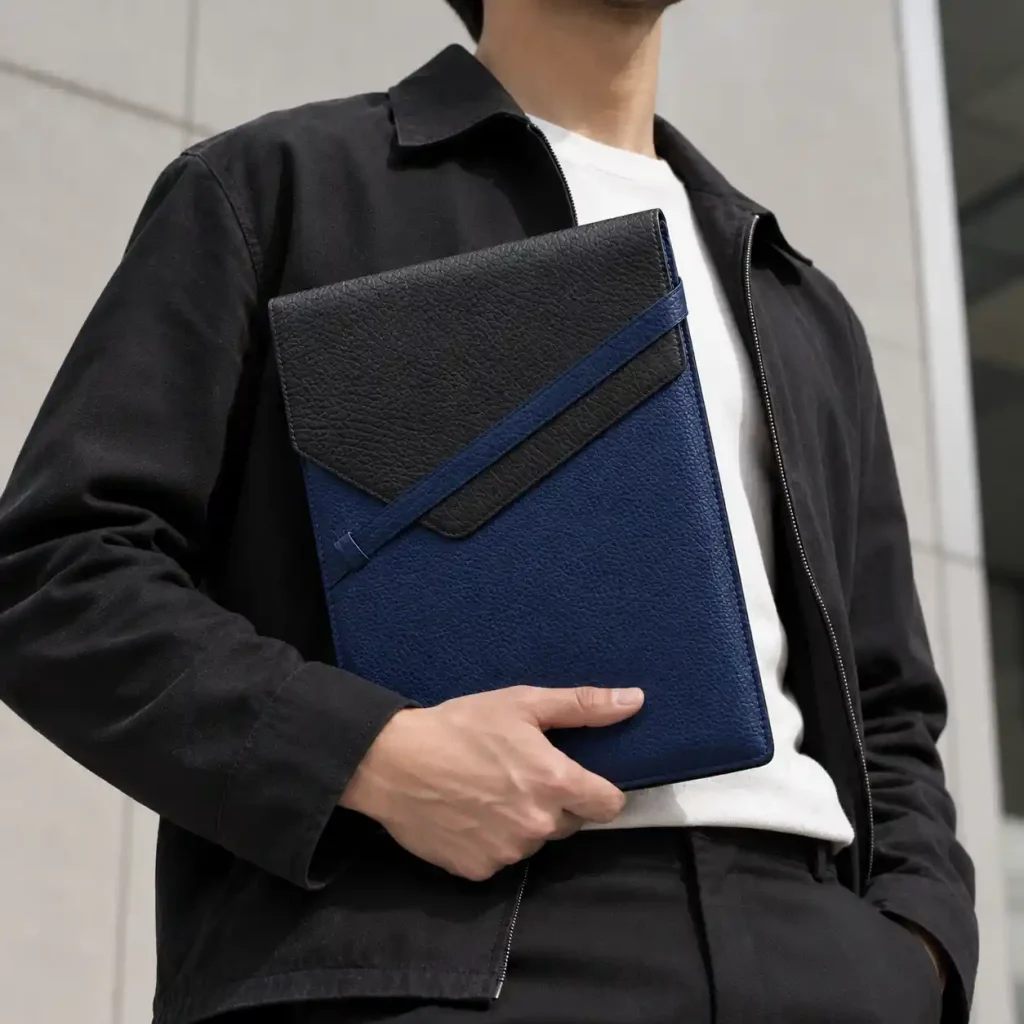
Knowing your leather is half the job. The other half is matching the product to your daily life. Here is how we think about each major category.
Women’s leather handbags and shoulder bags
Look for a comfortable strap length, a sturdy base and interior pockets. Our leather handbags for women range covers structured shoulder bags and everyday styles, while the hobo bags offer a softer, slouchier silhouette that suits relaxed days and travel.
Tote bags
Totes are the workhorses of the leather world. They are roomy, simple and flexible, which makes them popular for the office, university and weekend errands. Strap strength and stitching matter most here, and full-grain leather resists the strain of daily loading. Our guides to leather tote bags for women in Dubai and how to choose, style and care for the perfect tote go deeper into the details.
Clutches and evening bags
Compact and refined, a clutch suits evenings and events. Browse our leather clutches if you want something compact and refined.
Men’s business bags and laptop bags
For work, durability and organisation lead the way. A good leather business bag needs reinforced handles, a padded laptop compartment if you carry a device, and enough structure to stay upright. Our leather business bags for men are designed for the daily commute, and collections such as Magnate and Credence are built around professional use. If you need a dedicated laptop carrier, the Adroit office bag is one of our most popular choices.
Messenger bags and crossbody bags
Messenger bags are lighter and more casual than briefcases, and carry hands-free. Explore our leather messenger bags for men or the crossbody bags and backpacks if you prefer a slimmer profile.
Leather wallets and cardholders
A wallet is the leather product you touch most, which makes it the fastest way to see patina in action. Choose a bifold or trifold if you carry cash and cards, or a slim cardholder if you prefer to travel light. Our men’s wallet collection, leather cardholders and women’s wallets and cardholders cover every carrying style. For something distinctive, the Wittet Croco collection offers a textured finish that stands out from smooth leather.
Quick matching guide
| Your Lifestyle | Best Choice | Why |
|---|---|---|
| Daily office commute with a laptop | Structured leather business bag | Padding, structure and reinforced handles |
| Busy city days, light load | Messenger or crossbody bag | Hands-free and lightweight |
| Work plus errands, lots to carry | Leather tote | Open, roomy and flexible |
| Travel and long days out | Hobo or soft shoulder bag | Comfortable and forgiving |
| Evenings and events | Clutch | Compact and elegant |
| Minimal carry | Slim cardholder | Light and pocket-friendly |
| Gifting | Wallet, belt or cardholder | Easy to personalise, universally useful |
Leather Care in the UAE Climate
Leather loves attention but hates extremes, and the Gulf region offers plenty of both. Understanding the local environment helps you avoid the most common problems.
Heat. High temperatures dry out leather and can make it brittle. The riskiest place for a leather bag in the UAE is a parked car, where extreme heat can warp structure, fade colour and stress glue and stitching. Take your bag with you.
Sun. Direct sunlight fades dyes and darkens natural leather unevenly. A little sun contributes to patina, but long, repeated exposure is harsh. Store bags away from windows.
Air conditioning. Constant cooled air is very dry, and it pulls moisture from leather. Items left in cold, dry rooms for long stretches may need conditioning more often.
Humidity. In the summer months, coastal humidity can encourage mildew if a damp bag is sealed in a dark space. Always let leather dry fully before storing it, and let air circulate around stored pieces.
Step-by-Step Leather Care Routine
Good care is not complicated. A simple, consistent routine is far better than occasional heavy treatment.
Step 1: Dust regularly
Wipe your leather bag or wallet with a clean, dry, soft cloth every week or two. This removes dust and sand before they scratch the surface.
Step 2: Clean gently when needed
For light marks, use a slightly damp, well-wrung cloth and wipe in gentle strokes, then let the leather air-dry naturally. Avoid soaking the leather, and never use household cleaners, wet wipes, alcohol or bleach.
Step 3: Condition sparingly
Leather conditioner replaces some of the natural oils that heat and air conditioning remove. Use a small amount of a quality product made for leather, apply it with a soft cloth and let it absorb. For most pieces, conditioning every few months is enough, and less often for items used lightly. More is not better. Over-conditioning can darken leather and leave it greasy. Always test a hidden spot first, especially on light colours.
Step 4: Protect from water
Full-grain leather can handle a light shower if you dry it properly, but heavy soaking is a risk. If your bag gets wet, blot it with a soft towel, stuff it with clean paper or a soft cloth to keep its shape, and let it dry slowly at room temperature. Never use a hair dryer, radiator or direct sun to speed things up. Rapid heat is one of the fastest ways to crack leather.
Step 5: Store correctly
Keep bags in a cotton dust bag or a breathable pillowcase rather than plastic, which traps moisture. Stuff them lightly to hold shape, close the zips and fasten the straps loosely so they do not crease sharply. Store wallets flat or loosely filled so the leather is not stressed by an overstuffed shape.
Step 6: Know when to ask for help
Deep stains, torn stitching and loosened hardware are best handled by a craftsperson. Visit our stores page or contact our team for advice on any Kaizer piece.
Buying Checklist: 10 Questions to Ask Before You Pay
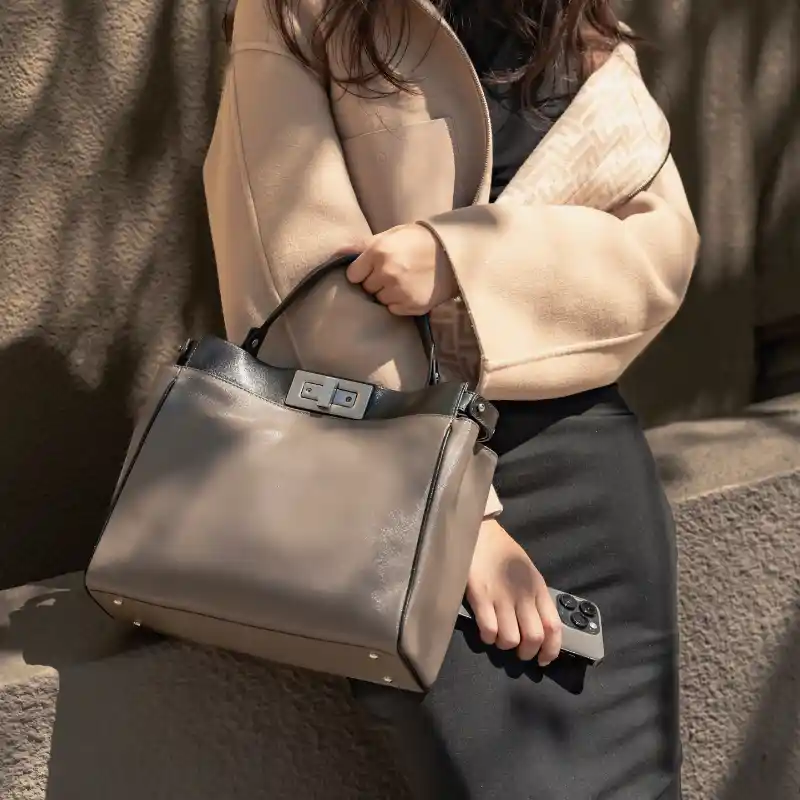 Use this list when comparing leather products from any brand.
- What grade is the leather? Look for a clear answer such as full-grain, not just “genuine leather”.
- How was it tanned? Vegetable or chrome, and why?
- Is the surface natural or corrected? Visible grain is a good sign.
- Where was it made? A transparent origin story signals confidence.
- How is it constructed? Hand-stitched or machine-stitched, and with what thread?
- Are the stress points reinforced? Check handle bases, strap joins and zip ends.
- Is the hardware solid? Heavy, smooth zips and sturdy buckles usually last longer.
- Does the size fit your life? Test with your actual laptop, phone and daily items.
- What is the return policy? Review the returns information before you buy online.
- Will it age well? Ask about how the leather develops over time.
Is full-grain leather worth the price?
Full-grain leather costs more up front because it needs better hides and more careful handling. A well-made piece can serve you for many years, while a cheaper coated one may need replacing several times, so the premium option often costs less per year of use. If you are watching your budget, our sale section is a good place to find quality leather at a lower price.
Why Choose Kaizer Leather
We are a Dubai-based leather house, and our philosophy is simple: make leather goods that get better with every year of use. That belief shapes how we work.
Handcrafted in Dubai. Our pieces are stitched and finished by craftspeople in our own workshop, not assembled from anonymous parts.
Full-grain leather. We choose hides for natural character and build pieces that are meant to develop a real patina.
A wide, considered range. From the women’s collections such as Allure and Absolute, to the men’s collections such as Cavalry, there is a style for different tastes and needs.
Corporate and bespoke gifting. Businesses across the UAE trust us for branded leather gifts. If you are planning a client or staff gift programme, see our corporate gifts range and our premium corporate gifts guide for Dubai.
Customer-first service. Customers in Dubai and Abu Dhabi praise our leather quality and stitching. We offer free UAE delivery, and new members receive AED 100 toward their first purchase when they register.
Transparency. We share videos, guides and lookbooks, and you can visit our Deira, Dubai store to feel the leather in person.
Frequently Asked Questions
What is full-grain leather?
Full-grain leather is made from the top layer of the hide with the natural grain left fully intact. It is not sanded or buffed to remove marks, which makes it the strongest and most characterful leather grade, and the one that develops the richest patina over time.
Is full-grain leather better than genuine leather?
Usually, yes, but the terms overlap. “Genuine leather” only means a product contains real hide, and full-grain leather is technically one kind of genuine leather. The difference is that full-grain is the highest grade, while the generic label can also cover lower grades such as split leather. Always ask for the specific grade.
How long does a full-grain leather bag last?
With sensible care, a full-grain leather bag can last for many years and often a decade or more. Lifespan depends on how often you use it, how heavy the load is, and how well you protect it from heat, moisture and dryness.
What is leather patina?
Patina is the natural change in colour, texture and sheen that full-grain leather develops through use, handling, light and time. It appears as a soft glow and deeper tones, and it is considered a sign of quality rather than damage. Learn more on our leather patina page.
How often should I condition leather?
For most pieces, conditioning every few months is plenty. Leather in hot, dry or air-conditioned environments may need it a little more often, and lightly used items less. Use a small amount of a quality leather conditioner and test on a hidden area first.
Does Kaizer offer free delivery in the UAE?
Yes. Kaizer offers free UAE delivery, and new members can receive AED 100 toward their first purchase after registering. See the FAQs for the latest details.
Final Thoughts
Choose full-grain hides, ask honest questions about tanning and construction, match the product to your routine, and care for it simply and regularly. Your bag or wallet will reward you with something no factory can fake: a surface that grows richer and more personal every year.
Ready to start? Browse the women’s collection, explore the men’s collection, or visit our blog for more guides. To see our workshop and leather stories in motion, watch us on YouTube. And if you would like personal advice, our team is happy to help through our contact page.