

The Silent Language of Business: Why Corporate Gifting Speaks Louder Than Words

Every business relationship tells a story. The question is: who’s writing it?
In boardrooms across Dubai and beyond, deals are sealed not just with signatures, but with gestures that transcend spreadsheets. While competitors chase the next meeting, forward-thinking companies understand that the moments between transactions—the thoughtful gesture, the unexpected appreciation, the perfectly timed recognition—often matter more than the transactions themselves.
Corporate gifting isn’t what most people think it is. It’s not about obligation or checking boxes on a holiday gift list. At its core, it’s strategic communication that happens without words, building bridges that emails and presentations simply cannot construct.
The Unspoken Economics of Appreciation
Here’s what nobody tells you about business gifts: the most expensive part isn’t the item itself—it’s the cost of getting it wrong.
A thoughtless gift doesn’t just fail to make an impression; it actively damages perception. It signals that you see the recipient as interchangeable, that your relationship with them is transactional rather than meaningful. In an economy where everyone sells similar products or services, that perception becomes the difference between loyalty and replacement.
Consider this: acquiring a new client costs five to seven times more than retaining an existing one. Yet companies pour resources into acquisition while treating retention as an afterthought. Strategic corporate gifting flips this equation, transforming existing relationships into partnerships that competitors can’t easily penetrate.
The mathematics is simple. A premium leather wallet costs a fraction of your customer acquisition expense. But unlike advertising that’s forgotten within hours, a quality gift sits in someone’s pocket every day for years, creating thousands of positive brand impressions. The return on investment isn’t just measurable—it’s multiplicative.
What Your Business Gifts Actually Say About You

Every corporate gift sends a message, whether you intend it or not. The question isn’t whether you’re communicating—it’s whether you’re communicating what you think you are.
Generic promotional items whisper “you’re one of many.” Mass-produced gadgets suggest “we couldn’t be bothered to think about you specifically.” But thoughtfully chosen business gifts—items that reflect genuine consideration of who receives them—speak an entirely different language.
When you present someone with a handcrafted Italian leather bag from the Cavalry or Insignia collection, you’re not just giving them somewhere to carry documents. You’re saying: “I notice quality. I value craftsmanship. I recognize that you appreciate the same. Our relationship deserves something substantial and enduring.”
This matters more than most realize. In markets saturated with sameness, perception creates differentiation. Your competitors might offer similar services at comparable prices, but they’re not offering the same experience of being valued. That experience—that feeling of genuine appreciation—becomes the moat around your business relationships.
The Personalization Paradox
Everyone talks about personalization, yet most corporate gifting remains disappointingly generic. Here’s why: true personalization requires something most businesses find scarce—actual attention.
Adding someone’s name to an item isn’t personalization; it’s customization. Real personalization means understanding what makes a recipient’s professional life easier, more elegant, or more efficient, then solving for that specific need.
The Duncan Executive Leather Diary exemplifies this distinction. It’s not just a notebook with a logo. It’s a self-sufficient organizational system with business card slots, document compartments, and premium paper—designed for professionals who need to command presence while staying organized. When you gift this, you’re acknowledging the recipient’s executive role and providing a tool that serves their actual daily needs.
Personalization also means timing. The best business gifts often arrive when not expected—a congratulations on a new role, recognition of a milestone that wasn’t their work anniversary, appreciation for something specific they contributed. These moments create emotional resonance that scheduled holiday gifts never achieve.
Beyond the Transaction: Building Memory Architecture
Neuroscience reveals something fascinating about gifts: our brains don’t categorize them with transactions. They’re filed alongside experiences and relationships in our memory architecture. This explains why a thoughtful gift creates more lasting impact than a price discount of equal value.
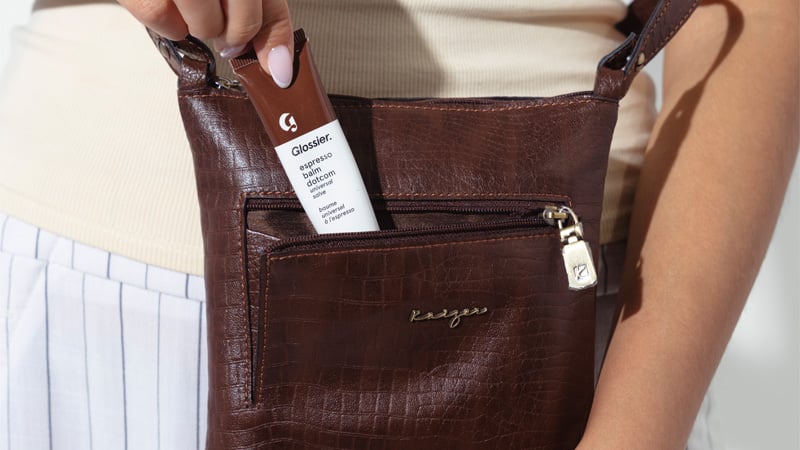
When someone receives a premium leather crossbody bag they use daily, each interaction with that item triggers micro-reminders of your relationship. Opening the smooth leather flap to retrieve a phone. Adjusting the comfortable strap. Admiring the craftsmanship when colleagues comment. These aren’t conscious brand exposures—they’re subconscious relationship reinforcements.
This is what marketers call “passive engagement,” but that term undersells the effect. It’s more like relationship compounding. Each small positive interaction accumulates, building associations between quality, thoughtfulness, and your brand that become incredibly difficult for competitors to overcome.
The Material Matters: Why Leather Dominates Corporate Gifting
In a world of fast fashion and disposable products, leather stands as a deliberate counterstatement. It ages rather than deteriorates. It develops character rather than showing wear. It signals permanence in an ephemeral economy.
This makes premium leather goods particularly powerful as business gifts. They represent values that resonate deeply in professional contexts: durability, quality, tradition, sophistication. When you gift someone a handcrafted leather item, you’re implicitly saying these values define your business relationship.
The craftsmanship behind authentic Italian leather—vegetable-tanned, hand-stitched, finished with meticulous attention—also communicates patience and dedication to excellence. In an era of rapid production and cost-cutting, choosing items that require genuine artisanship makes a statement about your own standards.
There’s practical wisdom here too. Leather’s longevity means your gift—and by extension, your brand—remains relevant for years rather than months. A quality leather wallet doesn’t just survive daily use; it improves with it, becoming more supple and developing a patina that makes it uniquely the owner’s.
Strategic Timing: When Gifts Transform Into Opportunities
The corporate calendar offers obvious gifting occasions—holidays, anniversaries, retirements. But strategic corporate gifting happens in the margins, during moments most businesses overlook.
After Problem Resolution: When you’ve navigated a challenging situation together, a thoughtful gift acknowledges shared effort and reinforces partnership. It transforms what could be remembered as “that difficult period” into “that time they really showed they valued our relationship.”
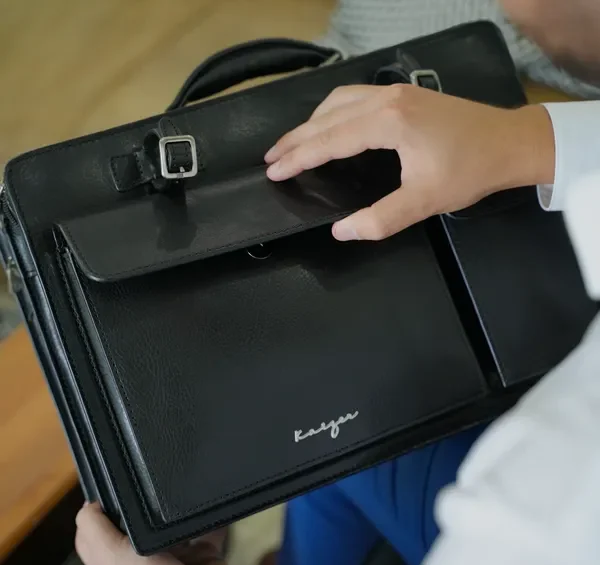
Career Milestones: Recognizing when clients get promoted, employees achieve certifications, or partners reach significant anniversaries shows you pay attention beyond transactions. A premium business bag to mark a new executive role doesn’t just celebrate achievement—it equips them for their next chapter.
Business Anniversaries: Rather than waiting for round numbers, acknowledge the first year. That’s when relationships are still forming, when your thoughtfulness carries maximum impact. It signals that you’re invested for the long term, not just celebrating longevity you’ve already achieved.
Unexpected Appreciation: The most powerful gifts arrive without occasion. They say “I’m thinking about our partnership” when there’s no contractual or calendar reason to do so. This voluntary appreciation creates the strongest reciprocity effects.
The Cultural Intelligence Factor
In international business, cultural fluency separates amateur gift-givers from strategic ones. What delights in one culture might offend in another. What’s generous in one context might seem excessive—or insufficient—in another.
Dubai’s position as a global business hub makes cultural intelligence particularly valuable. Business gifts here serve as bridges between diverse cultures, requiring items that transcend specific customs while respecting all of them.
Premium leather accessories navigate this complexity elegantly. They’re universally appreciated across cultures as markers of quality and sophistication. They avoid cultural pitfalls while projecting professionalism that resonates whether you’re gifting to partners in Tokyo, London, or Riyadh.
Presentation matters equally. In many Asian cultures, gifts should be offered with both hands, demonstrating respect. In Middle Eastern contexts, business gifts are often opened privately rather than immediately. Understanding these nuances ensures your corporate gifting efforts succeed rather than inadvertently cause discomfort.
Employee Gifting: The Internal ROI Nobody Calculates
Companies obsess over client gifting while treating employee appreciation as an HR checkbox. This misses a fundamental truth: your employees are your first and most important audience.
When employees feel genuinely valued, they become brand ambassadors far more effective than any marketing campaign. They speak enthusiastically about your company to friends, family, prospects, and yes—your clients. They stay longer, produce better work, and attract better talent.
Yet most employee gifts signal “we had to give you something” rather than “we specifically thought about you.” The solution isn’t bigger budgets—it’s better strategy.
Consider recognizing top performers with executive leather accessories that match their professional level. A sales director who closes a major deal receives a premium leather briefcase that acknowledges their executive status. This does more than say “thank you”—it reinforces their identity as a key contributor and raises their professional self-image.
The ripple effects extend beyond the individual. When employees see meaningful recognition, they understand what behaviors your company values. The gift becomes a cultural statement about excellence and how your organization celebrates it.
The Quality-Quantity Decision Matrix
Corporate gifting forces a fundamental choice: impressive items for key relationships, or modest items for broader reach?
The answer depends on objectives. If you’re strengthening critical partnerships that drive significant revenue, concentration makes sense. Premium business gifts for your top 20 clients create deeper impact than generic items for 200.
But if you’re building awareness or maintaining consistent engagement across many relationships, broader distribution with appropriate quality works better. The key is maintaining quality thresholds—never compromise so far that your gift reflects poorly on your brand.
A useful framework: invest in relationship deepening (premium gifts for critical partnerships) and relationship maintenance (quality gifts for broader engagement) separately. Don’t try to accomplish both with the same budget or approach.
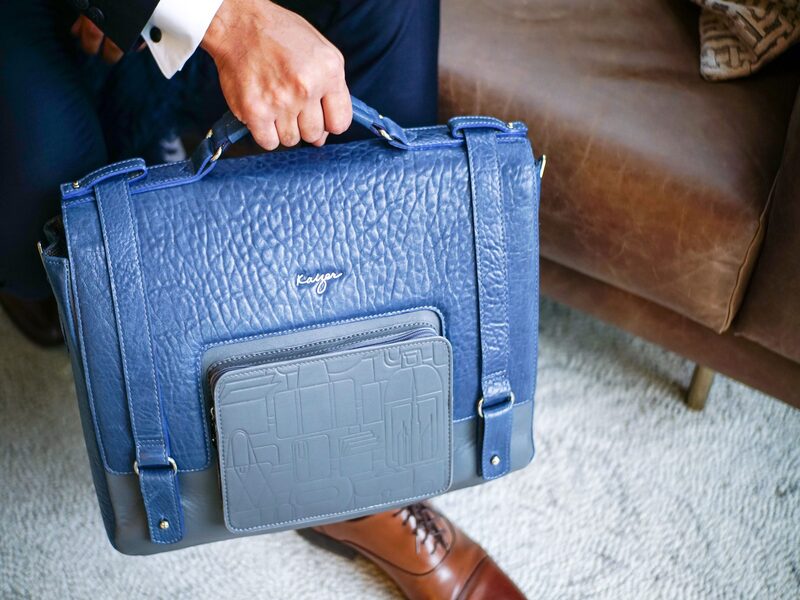
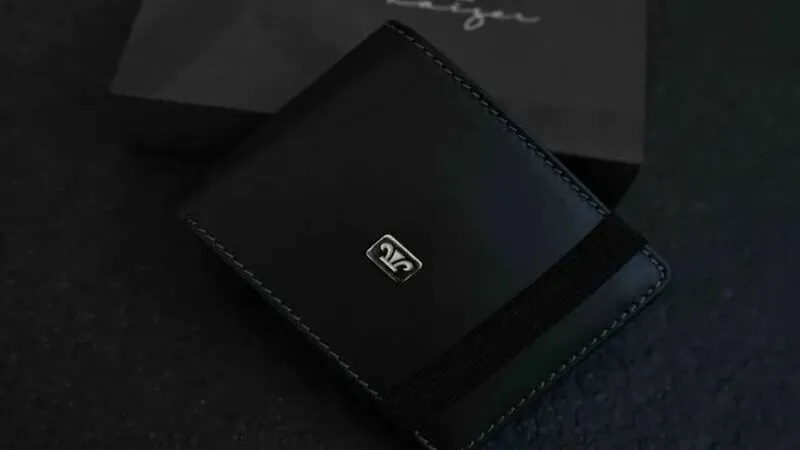
For deepening relationships, items like handcrafted leather bags from Kaizer Leather’s collections make powerful statements. For maintenance, elegant cardholders or wallets provide quality without overwhelming budgets.
The Sustainability Angle: Long-Term Thinking in Physical Form
Modern businesses increasingly face pressure to demonstrate environmental consciousness. Corporate gifting offers an unexpected opportunity to showcase these values through material choices.
Fast fashion and disposable products create waste. Premium leather goods represent the opposite philosophy: items designed to last decades, not seasons. When you choose vegetable-tanned Italian leather products, you’re selecting materials that age beautifully rather than deteriorate.
This longevity itself makes an environmental statement. One quality item that lasts twenty years has dramatically lower environmental impact than replacing cheaper alternatives repeatedly. It’s conscious consumption manifested in tangible form.
Recipients notice. Sustainability-minded professionals appreciate business gifts that align with their values. Rather than adding to the cycle of consumption and disposal, they receive items worthy of keeping, repairing, and eventually passing down.
The Presentation Ceremony: Why Delivery Method Matters
How you present business gifts matters as much as what you present. A premium item delivered via generic courier misses opportunities for connection. Strategic presentation amplifies impact.
Personal delivery, when possible, creates memorable moments. Handing someone a beautifully wrapped leather accessory while explaining why you chose it specifically for them transforms the gift from object to experience.
When personal delivery isn’t feasible, thoughtful packaging compensates. Premium wrapping, handwritten notes explaining your reasoning, and carefully timed delivery all contribute to the overall impression.
The note matters more than most realize. Don’t just say “thank you for your business.” Specify what you appreciate: “Your insights during our quarterly review helped us rethink our approach entirely. This seemed fitting for someone who helps us see things differently.” Specificity transforms generic appreciation into genuine recognition.
Technology Meets Tradition: Modern Applications of Timeless Practice
Digital communication dominates business, making physical gifts more powerful by contrast. In a world of ephemeral emails and forgettable video calls, tangible items create lasting presence.
This doesn’t mean ignoring technology—it means understanding how physical and digital channels complement each other. Follow a virtual meeting with a physical gift that references something discussed. Send a photo of the gift being prepared, building anticipation. Create unboxing experiences worth sharing on professional networks.
Kaizer Leather’s craftsmanship lends itself to this hybrid approach. The visual appeal of premium leather, the tactile satisfaction of quality materials, the story of traditional Italian techniques—these elements become shareable moments in digital spaces while creating physical experiences technology can’t replicate.
Common Corporate Gifting Mistakes That Destroy Value
Even well-intentioned gifting can backfire. Understanding common pitfalls helps avoid them:
Obvious Logo Overload: Your gift shouldn’t scream advertisement. Subtle branding on premium items works; turning quality products into walking billboards doesn’t. The item’s quality should represent your brand more than any logo.
Inappropriate Value Levels: Too expensive creates discomfort and potential ethics issues. Too cheap signals you don’t value the relationship. Research appropriate ranges for your industry and relationship types.
Generic Group Gifts: “One size fits all” actually fits nobody well. If budget requires standardization, choose versatile items with broad appeal rather than trying to guess specific preferences.
Poor Timing: Gifts that arrive weeks after the occasion they supposedly celebrate feel like afterthoughts. Plan ahead to ensure timely delivery that maximizes relevance.
Ignoring Practical Utility: Beautiful but useless items gather dust. Choose business gifts that integrate into professional lives—items recipients actually want to use rather than feel obligated to display.
Forgetting Follow-Up: Don’t let the gift be your last communication. Follow up to ensure it arrived and was appreciated. This also provides opportunity to strengthen the connection the gift was meant to build.
Building Your Corporate Gifting Strategy: A Framework
Strategic corporate gifting requires structure, not spontaneity. Here’s a framework for building sustainable practice:
Segment Your Relationships: Not all relationships warrant identical approaches. Categorize by strategic value: critical partners, important clients, valued employees, prospects, maintenance relationships. Each category merits different investment levels and gift types.
Calendar Your Occasions: Map out predictable gifting moments—holidays, anniversaries, seasonal recognitions—then allocate budget accordingly. This prevents last-minute scrambling and ensures thoughtful selections.
Budget by Category: Allocate spending based on relationship value and category. Premium leather briefcases for top-tier clients, quality wallets for valued employees, elegant cardholders for broader appreciation.
Track What Works: Monitor responses to different gift types and occasions. What generates the most enthusiastic feedback? What prompts follow-up conversations? What gets used versus stored? Let data inform future decisions.
Build Relationships With Suppliers: Partner with providers who understand corporate gifting nuances. Reliable suppliers who offer customization, quality assurance, and timely delivery become invaluable as your program scales.
Document Your Learnings: Create institutional memory about what works. Record recipient preferences, successful gifts, timing that worked well. This prevents knowledge loss when team members change roles.
The Metrics Nobody Measures (But Should)
How do you measure corporate gifting success? Most companies don’t try, treating it as unmeasurable relationship investment. But several metrics provide insight:
Client Retention Rate: Compare retention among clients who receive strategic gifts versus those who don’t. Even small percentage improvements justify significant gifting investment.
Employee Tenure: Track whether recognized employees stay longer than those who aren’t. Calculate the cost savings of retention versus replacement.
Deal Velocity: Do opportunities close faster with clients who’ve received thoughtful business gifts? Shortened sales cycles directly impact revenue.
Referral Rates: Clients who feel valued refer more actively. Track whether gifted clients generate more introductions than others.
Social Mentions: Premium gifts often get shared on professional networks. Monitor mentions, tags, and positive comments that extend your brand reach.
Response Rates: After gifting, do recipients engage more readily? Faster email responses, accepted meeting requests, and increased communication all signal strengthened relationships.
These metrics won’t capture everything—some value manifests as goodwill that’s felt rather than measured. But tracking what you can provides ROI justification for sustained investment in strategic corporate gifting.
Regional Considerations: Corporate Gifting in Dubai and the UAE
The UAE’s unique business environment creates specific opportunities and considerations for corporate gifting. Understanding regional nuances ensures your efforts resonate appropriately.
Dubai serves as a crossroads where Eastern and Western business cultures meet. This makes culturally neutral, universally appreciated business gifts particularly valuable. Premium leather goods excel in this context—they’re valued across cultures as markers of quality and success.
Islamic traditions influence gifting practices in the region. Avoid business gifts containing alcohol or pork products. During Ramadan, timing matters—gifts given during or immediately after this holy month carry special significance as expressions of goodwill and respect.
The emphasis on luxury and quality in UAE business culture makes premium items not just appreciated but expected in high-level relationships. What might seem extravagant elsewhere often represents appropriate gesture-making here. Italian leather craftsmanship aligns perfectly with regional appreciation for artisanal excellence.
Family and relationship orientation in Gulf business culture makes corporate gifting more than transactional courtesy—it’s relationship currency. Thoughtful gifts acknowledge the personal dimensions of business relationships that matter deeply in this market.
The Future of Business Gifts: Trends Shaping Tomorrow
Corporate gifting continues evolving alongside business culture. Several trends are reshaping how companies approach business gifts:
Experiential Elements: Gifts that create experiences gain traction. Items that recipients use actively rather than display passively align with modern preference for experiences over possessions. Functional leather bags that accompany daily professional activities exemplify this shift.
Artisan and Craft Focus: Mass production loses appeal as recipients seek authentic craftsmanship and human skill. Handcrafted leather goods that showcase traditional techniques satisfy this desire for authenticity.
Sustainability Consciousness: Environmental considerations increasingly influence purchasing decisions. Durable, repairable items that last decades rather than years become more valued as awareness of consumption’s environmental impact grows.
Customization Technology: Advances in personalization technology make truly unique items more accessible. However, the human touch—understanding what matters to recipients—remains technology’s complement, not its replacement.
Story-Rich Gifts: Recipients want to know the story behind what they receive. Where materials came from, who made them, what traditions they represent—these narratives add meaning that pure functionality can’t provide.
Making It Real: Implementing Your Corporate Gifting Program
Theory means nothing without execution. Here’s how to launch or improve your corporate gifting practice:
Start Small, Learn Fast: Begin with a pilot program focused on your highest-value relationships. Test different approaches, gather feedback, refine based on what you learn. Don’t wait for perfect strategy—begin with good strategy and improve through experience.
Choose Quality Partners: Your gifting success depends partly on supplier reliability. Partner with providers like Kaizer Leather who understand corporate needs, offer consistent quality, and provide customization options that make business gifts feel personal rather than transactional.
Educate Your Team: Ensure everyone involved in gifting understands strategy and goals. Sales teams, client services, HR—anyone selecting or presenting gifts should understand the “why” behind choices, not just the “what.”
Create Selection Guidelines: Provide frameworks that help decision-makers choose appropriately without micromanaging every decision. Guidelines on budget ranges, appropriate occasions, customization options, and cultural considerations empower teams to act strategically.
Gather Continuous Feedback: Make recipient feedback part of your process. What did they appreciate most? What would they have preferred? This intelligence improves future selections and demonstrates that you care about outcomes, not just gestures.
Celebrate Successes Internally: When corporate gifting contributes to wins—retained clients, closed deals, motivated employees—share those stories. This reinforces the practice’s value and encourages thoughtful participation across your organization.
Conclusion: The Competitive Advantage Hiding in Plain Sight
In an era where products and services increasingly commoditize, the businesses that win are those that excel at what can’t be commoditized: relationships, trust, and the feeling of being genuinely valued.
Corporate gifting, done strategically, creates these un-commoditizable advantages. It’s not about spending more—it’s about thinking more deeply about what makes business relationships work, then reinforcing those foundations with gestures that demonstrate genuine appreciation.
The companies that will dominate their markets ten years from now understand this. They’re not the ones with the biggest advertising budgets or the flashiest presentations. They’re the ones whose clients and employees feel so valued, so appreciated, so genuinely seen that switching to competitors becomes unthinkable.
Business gifts—chosen thoughtfully, presented meaningfully, integrated into broader relationship strategy—build these bonds. A premium leather accessory isn’t just an item. It’s a daily reminder that someone values the relationship enough to choose quality over convenience, thoughtfulness over transaction.
In the silent language of business, these gestures speak volumes. The question is: what are your gifts saying?
Frequently Asked Questions About Corporate Gifting
What makes a good corporate gift?
Good business gifts combine quality, relevance, and thoughtfulness. They should be useful items that recipients actually want rather than feel obligated to display. Premium leather accessories like wallets, bags, or cardholders excel because they integrate into professional daily routines while signaling quality and appreciation. The best corporate gifts reflect understanding of the recipient’s needs and preferences while representing your brand values through material quality and craftsmanship.
How much should companies spend on business gifts?
Most businesses allocate 1-2% of annual revenue to corporate gifting, though appropriate spending varies based on relationship value and occasion. For key clients or strategic partners, investments in premium items like handcrafted leather bags demonstrate the relationship’s importance. For broader employee recognition, quality items at moderate price points maintain appropriate value without excessive spending. Focus on quality over quantity—one thoughtful gift makes more impact than several generic items.
When is the best time to give corporate gifts?
While holidays and anniversaries are traditional occasions, strategic corporate gifting happens year-round. The most impactful gifts often arrive unexpectedly—after successfully resolving challenges together, upon learning of a recipient’s promotion, or simply as spontaneous appreciation. These unscheduled gestures create stronger emotional connections than expected holiday gifts. In Dubai and the UAE, gifts given during or after Ramadan carry special significance, while avoiding gifting during the fasting period itself shows cultural respect.
