

The Essential Backpack: From Function to Fashion Statement
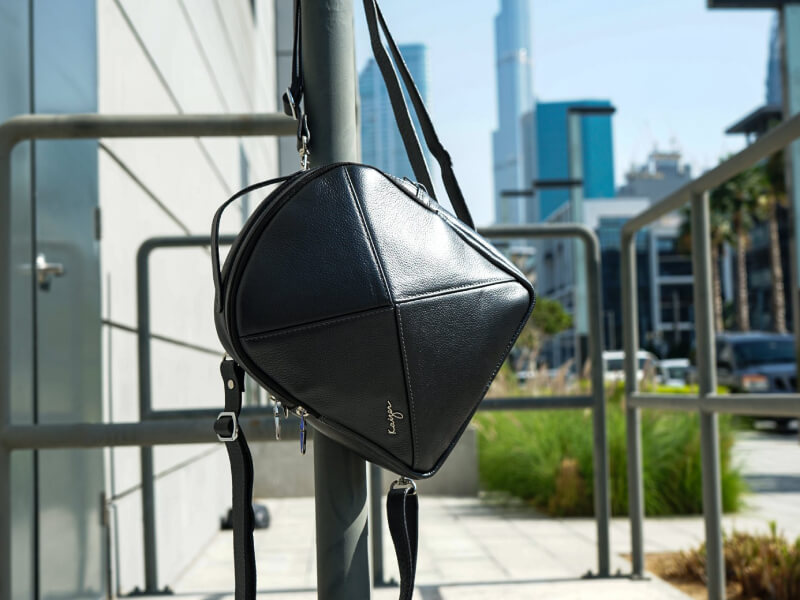
A backpack is far more than a simple carrying device—it’s an extension of your personal style, a testament to your priorities, and often, your most trusted companion throughout daily adventures. Whether you’re navigating city streets, commuting to the office, or exploring new destinations, the right backpack seamlessly blends form with function.
The modern professional no longer sees backpacks as purely utilitarian items. Today’s discerning individuals seek pieces that reflect craftsmanship, sophistication, and thoughtful design. This shift has transformed the backpack from a casual accessory into a statement of refined taste, particularly when crafted from premium materials like full-grain Italian leather.
Why Material Matters in Backpack Selection
The material of your backpack determines not just its appearance, but its longevity, comfort, and how it ages over time. While canvas and synthetic materials dominate budget-friendly options, leather stands apart for those seeking an investment piece.
The Leather Advantage
Premium leather backpacks offer distinct benefits that synthetic alternatives simply cannot match. Full-grain Italian leather, particularly vegetable-tanned varieties, develops a unique patina as it ages—a visual record of your journeys and experiences. This natural aging process means your backpack becomes more beautiful and personal with time, rather than deteriorating.
Unlike synthetic materials that crack, fade, or fray, quality leather actually strengthens with proper care. The natural fibers compress and mold to your body shape, creating a custom fit that improves comfort over years of use. For professionals who value sustainability, a well-made leather backpack can last decades, making it an environmentally conscious choice compared to frequently replaced synthetic bags.
Consider collections like the City Mens Leather Backpack from Kaizer Leather, which exemplifies this marriage of durability and elegance. Crafted with double gussets and cushioned pockets for technology, it demonstrates how leather construction doesn’t sacrifice modern functionality.
Functional Design Elements That Define Quality
A truly exceptional backpack balances aesthetic appeal with practical features. Understanding these elements helps you identify pieces that will serve you well beyond their initial impression.
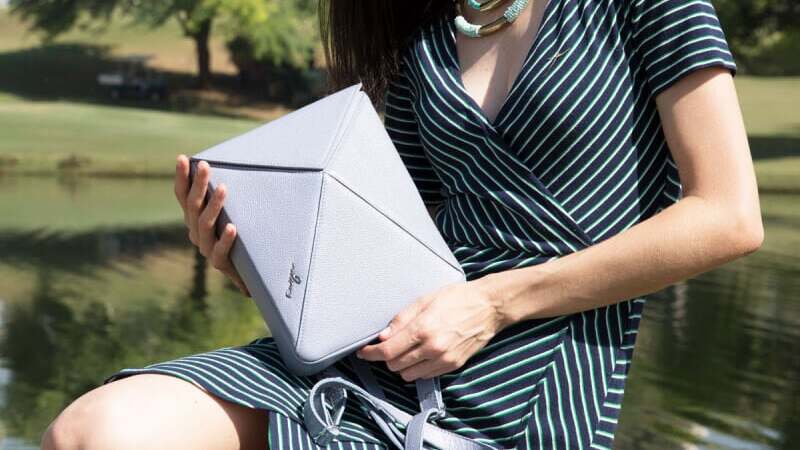
Interior Organization Systems
The interior architecture of your backpack determines its daily usability. Quality designs include dedicated laptop sleeves with cushioning to protect devices from impact. Multiple compartments prevent the frustrating “black hole” effect where items disappear into a single large space.
Look for backpacks with zippered security pockets for valuables like passports, wallets, and electronics. Medium-sized pockets accommodate items you need frequent access to—chargers, notebooks, sunglasses. The Urban Leather Backpack features a strategic interior layout with laptop sleeve, dual large pockets, and two medium compartments, creating an organized system that adapts to various daily needs.
External Access Points
Convenience often lies in the details. Front pockets with appropriate gusset depth (typically 3cm) allow quick access to items like boarding passes, keys, or headphones without opening the main compartment. Zippered back pockets provide secure storage for items you want protected but occasionally need to reach.
The placement of these elements affects your efficiency throughout the day. A well-designed backpack minimizes the time spent rummaging and maximizes your ability to move smoothly through security checkpoints, subway turnstiles, or busy corridors.
Strap Engineering and Comfort
Shoulder strap design significantly impacts wearing comfort, especially when carrying heavier loads. Premium backpacks feature adjustable straps with sufficient padding to distribute weight evenly. The strap attachment points should be reinforced to handle stress without pulling away from the bag body.
Some designs, like the Insignia Backpack, incorporate convertible strap systems that allow transformation from backpack to shoulder bag, offering versatility for different carrying preferences or situations.
Choosing the Right Backpack for Your Lifestyle
Your ideal backpack depends heavily on how you’ll use it. Different lifestyles demand different features, and understanding these requirements prevents purchasing a bag that looks perfect but doesn’t serve your actual needs.
For the Daily Commuter
Commuters require backpacks that protect electronics, weather-resistant construction, and professional appearance. A structured silhouette maintains shape even when partially empty, ensuring a polished look during morning meetings. Water-resistant or weather-treated leather protects contents during unexpected rain.
Consider capacity carefully—commuter backpacks typically range from 15 to 25 liters. Smaller volumes keep you nimble in crowded transit, while larger capacities accommodate gym clothes or groceries for post-work errands. The key is finding the sweet spot where you carry what you need without excess bulk.
For the Business Traveler
 Business travelers need backpacks that transition seamlessly from airplane to boardroom. Look for designs with dedicated document compartments that keep papers crisp and organized. TSA-friendly layouts allow you to pass through security efficiently without completely unpacking.
The Cosset Backpack Curved demonstrates geometry-inspired design that maintains a professional aesthetic while providing practical features like secure interior zippered pockets and convertible carrying options—backpack straps plus a hand handle for quick transitions.
For the Student or Creative Professional
Students and those in creative fields often carry diverse items—laptops alongside sketchbooks, cameras, or project materials. Flexibility becomes paramount. Backpacks with removable dividers or expandable compartments adapt to changing daily requirements.
Durability matters tremendously in academic or artistic settings where bags endure rough handling, heavy textbooks, or studio materials. Leather construction withstands this wear while developing character, unlike synthetic materials that show damage as deterioration rather than patina.
Understanding Backpack Construction Quality
Not all leather backpacks are created equal. Several construction details separate exceptional pieces from mediocre ones, and these differences dramatically affect longevity and satisfaction.
Stitching Standards
Examine stitch quality closely. Premium backpacks feature reinforced stitching at stress points—where straps attach, around zipper installations, and along seam lines that bear weight. Tone-on-tone stitching creates a sophisticated aesthetic, while contrasting stitching can add visual interest if executed with precision.
Double-stitching at critical junctures isn’t merely decorative—it provides redundancy so a broken stitch doesn’t immediately compromise structural integrity. This attention to detail defines the difference between a backpack that lasts years versus one requiring repair within months.
Hardware Selection
Zippers, buckles, and metal fixtures deserve scrutiny. Italian or Japanese YKK zippers operate smoothly and resist catching on fabric. Nickel-plated or satin-finished hardware resists corrosion and maintains appearance even with frequent use.
Consider how hardware complements the leather. Antiqued metal fittings enhance vintage-inspired designs, while sleek modern hardware suits contemporary aesthetics. The hardware should feel substantial—cheap lightweight fixtures often fail first and are expensive to replace.
Leather Treatment Methods
The tanning process fundamentally affects leather character. Vegetable tanning uses natural plant materials and produces leather that ages beautifully, developing rich patina. Chrome tanning creates more uniform color but lacks the same depth as it ages.
Hand-tanned leather, such as that used in Kaizer Leather’s collections, receives individual attention throughout processing. This artisanal approach results in unique variations that make each backpack subtly different—you’re acquiring a one-of-a-kind piece rather than mass-produced uniformity.
Backpack Care and Maintenance for Longevity
Investing in a premium leather backpack means little without proper care. Fortunately, maintenance requires minimal effort when approached correctly, and proper treatment ensures your backpack improves with age.
Regular Cleaning Practices
Brush your leather backpack weekly with a soft cloth to remove surface dust and prevent accumulation in seams. For deeper cleaning, use products specifically formulated for leather—never household cleaners that strip natural oils. Apply cleaner sparingly with a slightly damp cloth, working in small circular motions.
Allow leather to dry naturally away from direct heat sources. Forced drying causes cracking and color changes. If your backpack gets thoroughly wet, stuff it loosely with newspaper to absorb moisture while maintaining shape, changing the paper as it becomes saturated.
Conditioning and Protection
 Leather contains natural oils that can deplete over time, particularly in dry climates. Apply leather conditioner every three to six months, or more frequently if you notice the leather feeling dry or stiff. Conditioning maintains suppleness and prevents cracking.
For backpacks used in variable weather, consider a leather protectant spray. These products create a barrier against water and stains without altering the leather’s breathability or appearance. Test any product on an inconspicuous area first to ensure it doesn’t darken or alter the finish unexpectedly.
Storage Recommendations
When not in use, store your leather backpack in a cool, dry location with adequate air circulation. Avoid plastic bags that trap moisture and promote mildew. If your backpack came with a dust bag, use it—these breathable cotton covers protect from dust while preventing moisture accumulation.
Stuff the backpack loosely with tissue paper or bubble wrap to help maintain its shape during storage. Avoid overstuffing, which can stress seams and distort the leather’s natural form. For extended storage periods, inspect monthly for any signs of mildew or pests.
Style Versatility and Personal Expression
A well-chosen backpack adapts to multiple aspects of your life, functioning equally well in professional settings and casual environments. This versatility maximizes value and reduces the need for multiple bags.
Color Selection Strategy
Black leather backpacks offer maximum formality and hide wear well, making them ideal for conservative professional environments. Brown leather, especially in rich cognac or chocolate tones, provides warmth while remaining sophisticated. These neutral colors coordinate effortlessly with most wardrobes.
For those seeking personality, consider textured leather or subtle color variations. Patina leather, which changes tone as it ages, creates a lived-in aesthetic that suits creative professionals. The Urban collection features distinctive red edging that adds visual interest without overwhelming the design.
Coordinating with Your Wardrobe
Your backpack should harmonize with your typical attire. For business casual environments, structured leather backpacks with clean lines complement button-down shirts and chinos. More relaxed settings allow slouchy or vintage-inspired designs that pair well with jeans and casual jackets.
Consider the bag’s hardware finish when matching with other accessories. If you wear silver-toned watches and belts, nickel-plated or stainless hardware creates cohesion. Gold or brass hardware complements warmer metal tones in your jewelry and accessories.
Investment Value and Cost Considerations
Quality leather backpacks represent significant purchases, but understanding their value proposition clarifies why they’re worth the investment compared to cheaper alternatives.
Long-Term Economics
A premium leather backpack costing several hundred dollars initially might seem expensive compared to a fifty-dollar synthetic option. However, the leather piece could serve reliably for ten to twenty years with proper care, while synthetic backpacks often require replacement every one to three years.
Calculate the true cost: a $700 leather backpack used for fifteen years costs approximately $47 annually. Three $50 synthetic replacements over the same period total $150, but factor in the inconvenience of shopping for replacements, transferring items, and disposing of worn-out bags. The premium option actually represents better value.
Resale Potential
Quality leather goods maintain resale value in ways synthetic items cannot. Vintage and pre-owned leather backpacks from reputable makers command meaningful prices on secondary markets. This residual value provides a financial cushion—your backpack retains worth even after years of use.
Certain brands and designs appreciate over time, particularly limited editions or discontinued styles. While treating your backpack as an investment vehicle is unrealistic, knowing it retains significant value provides peace of mind about the initial expenditure.
Craftmanship Worth
Handmade leather backpacks support artisans and traditional craftsmanship. Each piece from Kaizer Leather is handcrafted in Dubai using Italian leather, representing skills passed down through generations. Purchasing these items sustains this knowledge and supports quality-focused production over mass manufacturing.
The personal connection to a handmade item enhances satisfaction. You’re using something created by skilled hands rather than machines in a factory assembly line. This intangible value contributes to the overall worth of premium leather goods.
Sustainability and Ethical Considerations
As environmental awareness grows, the sustainability of your purchases becomes increasingly important. Quality leather backpacks align with sustainable consumption when approached thoughtfully.
Longevity Versus Fast Fashion
 The fast fashion model encourages frequent purchases of inexpensive items with short lifespans. This cycle generates substantial waste and consumes resources continuously. A durable leather backpack that lasts decades dramatically reduces environmental impact compared to repeatedly buying and discarding synthetic alternatives.
Leather is biodegradable, unlike petroleum-based synthetic materials that persist in landfills for centuries. At the end of its very long life, a leather backpack will eventually break down naturally. Synthetic bags fragment into microplastics that contaminate ecosystems indefinitely.
Responsible Sourcing
Quality leather manufacturers source hides as byproducts of the food industry—animals raised primarily for meat. This utilization prevents waste by converting materials that would otherwise be discarded into valuable products. Full-grain leather, which uses the hide’s entire thickness, is particularly efficient as it doesn’t require the splitting process that generates waste.
Vegetable tanning processes, while more time-consuming and expensive than chemical tanning, use renewable plant materials and generate less environmental pollution. Seek brands transparent about their tanning methods and sourcing practices.
Repair Versus Replace Philosophy
Leather backpacks can be professionally repaired when damaged, extending their usable life significantly. Skilled leather workers can replace zippers, restitch seams, and even patch damaged areas invisibly. This repairability contrasts sharply with synthetic backpacks, which are typically discarded at the first sign of significant wear.
Establishing a relationship with a leather repair professional ensures your backpack receives expert care when needed. The modest cost of periodic repairs represents a tiny fraction of purchasing new items repeatedly.
Modern Features in Traditional Designs
Contemporary leather backpacks successfully integrate modern technology requirements with classic aesthetics, proving traditional craftsmanship remains relevant in the digital age.
Tech Integration
Today’s professionals carry smartphones, tablets, laptops, chargers, and various cables. Quality leather backpacks accommodate these items with dedicated padded compartments that prevent scratches and absorb shock. Some designs include pass-through cable ports allowing device charging while secured inside the bag.
The Adroit backpack collection demonstrates this tech-forward thinking with compartments specifically sized for devices up to 13 inches while maintaining the timeless aesthetic of leather craftsmanship.
Security Enhancements
Urban environments demand security-conscious design. Back-panel zippers prevent pickpockets from accessing contents while you’re wearing the backpack. RFID-blocking pockets protect credit cards and passports from electronic theft—a growing concern in crowded areas.
Hidden internal pockets create secure spaces for valuables that aren’t visible when the bag is opened. These features integrate seamlessly into leather designs without compromising aesthetics or requiring obvious security mechanisms that might attract unwanted attention.
Ergonomic Evolution
Modern understanding of body mechanics influences backpack design. Padded back panels with breathable channels reduce perspiration during warm weather or long wear periods. Chest straps and hip belts, traditionally associated with outdoor packs, now appear in refined forms on urban leather backpacks, distributing weight for greater comfort.
These ergonomic features prove especially valuable as devices become heavier and professionals carry more technology daily. Proper weight distribution prevents back strain and maintains comfort even during extended wear.
Seasonal Considerations and Weather Adaptability
Your backpack faces various environmental conditions throughout the year. Understanding how leather responds to different weather helps you protect your investment and maintain its appearance.
Summer Care
Heat and humidity challenge leather goods. In warm months, avoid leaving your backpack in hot vehicles where extreme temperatures can dry leather excessively or cause adhesives to fail. If your backpack becomes damp from perspiration, allow it to dry naturally in a cool space with good air circulation.
Consider applying leather protectant before summer to create a barrier against moisture from humidity or unexpected rain. However, avoid over-conditioning leather during humid months, as excess moisture in the air already keeps leather relatively supple.
Winter Protection
 Cold weather itself doesn’t harm leather, but salt used for de-icing sidewalks and roads can cause severe damage, leaving white residue and drying out leather. Wipe your backpack daily during winter months with a slightly damp cloth to remove salt before it has time to penetrate.
Winter’s dry air can make leather brittle. Increase conditioning frequency during cold months to maintain flexibility and prevent cracking. Indoor heating systems significantly reduce humidity, accelerating moisture loss from leather.
Rain and Snow
While quality leather tolerates light precipitation, prolonged exposure to heavy rain or snow requires attention. If your backpack gets thoroughly wet, follow proper drying procedures—never use heat sources like hair dryers or radiators. Stuff with newspaper and allow slow, natural drying.
Consider keeping a lightweight packable rain cover for your backpack during seasons with frequent precipitation. These covers slip over your bag quickly when weather turns, providing complete protection without permanent bulk.
The Future of Backpack Design
Innovation in backpack design continues as manufacturers balance traditional craftsmanship with modern demands. Understanding these trends helps you choose pieces that remain relevant for years to come.
Modular Systems
Some contemporary backpacks feature modular interiors allowing customization of compartments and pockets. This adaptability extends the backpack’s usefulness as your needs evolve—what works for a student differs from a traveling professional’s requirements.
While modularity has primarily appeared in technical outdoor gear, premium leather manufacturers are exploring how to integrate these systems while maintaining aesthetic integrity. Look for designs with removable organizers or adjustable dividers that don’t compromise the bag’s overall appearance.
Smart Features
Technology integration extends beyond simple device pockets. Some backpacks now incorporate USB charging ports connected to internal power bank pockets, allowing device charging without opening the bag. While these features require careful integration into leather designs, they represent growing expectations from modern users.
Future innovations may include tracking chips helping locate lost bags, integrated lighting for better visibility of contents, or even biometric locks providing enhanced security. The challenge remains implementing these technologies without compromising the timeless aesthetic that makes leather backpacks desirable.
Sustainable Innovation
Leather tanning processes continue evolving toward greater sustainability. New vegetable tanning methods reduce processing time while maintaining quality. Alternative plant-based tanning agents expand options beyond traditional tree bark extracts.
Research into leather finishing treatments aims to enhance durability and water resistance using environmentally gentle compounds. These advances allow premium leather goods to meet both aesthetic standards and environmental responsibilities.
Frequently Asked Questions
What makes a quality backpack worth the investment?
A quality backpack justifies its cost through superior materials, expert craftsmanship, and longevity. Premium leather develops character as it ages rather than deteriorating like synthetic materials. Well-constructed backpacks feature reinforced stitching at stress points, high-grade hardware that won’t corrode or break, and thoughtful interior organization. When properly maintained, a quality leather backpack can serve reliably for 10-20 years, making the cost-per-use remarkably low compared to repeatedly replacing cheaper alternatives that fail within 1-3 years.
How do I choose between different backpack sizes?
Backpack size selection depends on your typical daily carry items and body proportions. Measure your laptop or largest device to ensure proper fit—most quality backpacks specify maximum device dimensions. Consider whether you need space for gym clothes, documents, or overnight items beyond daily essentials. Smaller capacities (15-20 liters) work for minimalists or shorter stature individuals, while larger sizes (20-30 liters) accommodate professionals who carry multiple items. Try wearing the backpack loaded to verify comfort and proportion relative to your frame.
Can leather backpacks withstand daily professional use?
Absolutely. Full-grain Italian leather is exceptionally durable and actually improves with regular use, developing a distinctive patina that enhances appearance. Quality construction with reinforced stitching and substantial hardware ensures structural integrity under daily stress. Unlike synthetic materials that show wear as damage, leather ages gracefully—scratches and marks blend into the patina, telling the story of your journeys. Professional-grade leather backpacks like those from the City or Insignia collections are specifically designed for the demands of business environments.
How often should I condition my leather backpack?
Conditioning frequency depends on usage intensity and environmental conditions. Generally, apply leather conditioner every 3-6 months for backpacks in regular use. Increase frequency if you live in very dry climates or notice the leather feeling stiff or appearing dull. Signs your backpack needs conditioning include decreased suppleness, visible dryness, or lighter color in stress areas. Apply conditioner sparingly—excess product can darken leather or leave residue. Always test new products on an inconspicuous area first and allow adequate absorption time before using the backpack.
Are leather backpacks suitable for all weather conditions?
Quality leather backpacks handle varied weather with appropriate care. Light rain poses no problem—simply wipe dry upon returning indoors. For heavier precipitation, apply leather protectant spray beforehand or use a packable rain cover. Avoid prolonged exposure to standing water, as this can penetrate seams and affect interior components. Winter salt requires daily wiping to prevent damage. Leather’s natural breathability makes it comfortable year-round, unlike synthetic materials that can trap heat and moisture. With minimal preventive care, leather backpacks perform excellently across seasons.
What laptop sizes fit in standard leather backpacks?
Most professional leather backpacks accommodate laptops ranging from 13 to 15 inches, with many featuring dedicated padded sleeves. Always verify specific dimensions before purchasing—different manufacturers use varying measurements. Some models, like the Urban Backpack, specify exact device compatibility in their descriptions. Consider not just screen size but your laptop’s thickness, especially if using a protective case. Quality backpacks include cushioned compartments that protect devices from impacts during daily commutes and travel.
How do I remove stains from my leather backpack?
Address stains promptly for best results. For water-based stains, blot gently with a clean, dry cloth—never rub vigorously as this spreads the stain. For oil-based marks, sprinkle cornstarch or talcum powder on the area, let sit overnight to absorb oil, then brush off gently. Use leather-specific cleaners for persistent stains, testing first on hidden areas. Avoid household cleaners, alcohol, or harsh solvents that strip leather’s natural oils. If a stain proves stubborn or covers a large area, consult a professional leather cleaner rather than risk damaging the material through aggressive treatment.
Can I personalize my leather backpack?
Many premium leather manufacturers offer personalization through embossing or engraving initials, names, or brief text. Kaizer Leather provides customization services with specific guidelines regarding text size, font selection, and placement. Personalization typically adds 3 working days to production time and makes items non-returnable, as they’re considered custom orders. This customization creates a truly unique piece while adding minimal cost. Placement options usually include front panels, side panels, or interior patches. Personalized leather backpacks make exceptional gifts and create stronger emotional connections to the item.
What’s the difference between full-grain and top-grain leather?
Full-grain leather uses the entire thickness of the hide with the natural grain surface intact, making it the highest quality available. It’s exceptionally durable and develops the most attractive patina over time. Top-grain leather has the surface lightly sanded to remove imperfections, then finished with a coating. While still genuine leather, it’s less breathable and doesn’t age as beautifully as full-grain. Full-grain leather shows natural variations—marks, pores, wrinkles—that prove authenticity and contribute to each piece’s unique character. Premium backpacks use full-grain leather to ensure longevity and superior appearance.
How do I break in a new leather backpack?
New leather backpacks may feel stiff initially, but they’ll conform to your body and soften naturally through use. Accelerate the process by gently flexing leather panels with your hands, particularly around stress points where the bag will move with your body. Apply leather conditioner to new backpacks—this softens leather and begins the aging process. Use the backpack regularly rather than saving it for special occasions—consistent wear helps leather mold to your shape and develop character. Avoid overstuffing initially, which can stress seams before leather gains flexibility. Most backpacks reach optimal suppleness within 2-3 months of regular use.
