


Why Leather Bags Crack in Dubai’s Heat — And How to Actually Prevent It
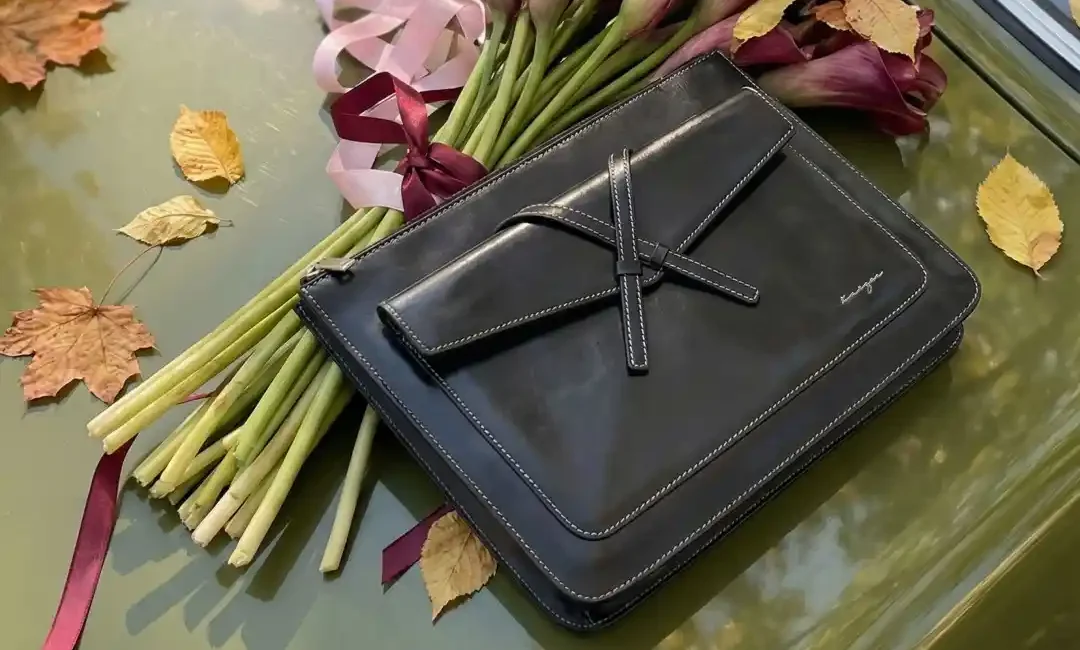
If you’ve ever pulled a leather bag out of storage in Dubai to find fine white lines across the handle or a stiff, brittle patch near the base, you’re not imagining it — and it’s not necessarily a sign of poor-quality leather. Leather bag cracking in Dubai’s heat is one of the most common care issues in this climate, and it happens for reasons that have almost nothing to do with how the bag was made and everything to do with how it’s stored and used.
Here’s what’s actually happening beneath the surface, and the routine that stops it before it starts.
It’s Not Just Heat — It’s the Swing
Leather is porous. It constantly absorbs and releases moisture from the air around it, which is exactly why climate affects it more than most materials. In a stable environment, leather adjusts gradually and holds up well for decades.
Dubai doesn’t offer a stable environment. A typical day here means moving between 45°C+ outdoor heat and heavily air-conditioned interiors — cars, malls, offices — multiple times a day. According to Dubai’s Government Media Office, the city’s average annual humidity sits around 59%, peaking near 65% in the cooler months, while summer conditions push humidity and heat together into a far more aggressive combination.
That repeated swing — hot and humid outside, cold and bone-dry inside — is what actually damages leather. Each transition strips a little more natural moisture from the fibers than the last, and over months, that adds up to stiffness, surface cracking, and a duller finish.
Why Dry Air Damages Leather Faster Than People Expect
Most people assume heat alone is the enemy, but dry air does more long-term damage. Air conditioning doesn’t just cool a room — it pulls moisture out of it, and leather left in that environment for hours a day will slowly lose the natural oils that keep it flexible.
Conservation guidelines from the Canadian Conservation Institute, one of the most cited authorities on material preservation, recommend keeping leather goods in a relative humidity range of roughly 45–55%, noting that conditions below 30% RH lead to moisture loss and embrittlement over time. Dubai interiors, particularly offices and cars with AC running most of the day, frequently sit well below that range — which is precisely why leather bags here age faster than identical pieces in more temperate climates, if they aren’t cared for accordingly.
The good news: this is almost entirely preventable once you understand what’s actually causing it.
The Care Routine That Actually Works in Dubai
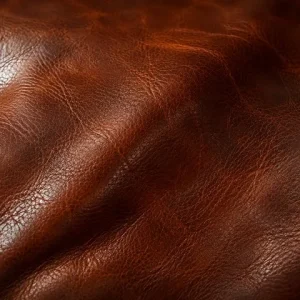
You don’t need an elaborate routine — you need the right three habits, done consistently.
1. Never store or leave a bag in direct, prolonged heat. A parked car interior, a sunlit windowsill, or a shelf near a heat vent will dry leather out faster than almost anything else in daily life. If a bag has to sit in a hot car, keep it out of direct sun, ideally under a seat or in the boot rather than on the dashboard.
2. Condition on a schedule, not just when it looks dry. By the time leather visibly looks dry, it’s already lost a meaningful amount of its natural oils. In Dubai’s climate, conditioning every 6–8 weeks for bags in regular use is a more realistic baseline than the “once or twice a year” advice that applies to milder climates.
3. Let dust and sand brush off dry — don’t wipe with a damp cloth. Dubai’s fine desert dust is abrasive. Wiping it with a damp cloth grinds particles into the grain instead of lifting them off. A soft, dry brush or cloth first, then conditioning, keeps the surface intact.
Why Full-Grain, Vegetable-Tanned Leather Handles This Better
Not all leather responds to Dubai’s climate the same way. Corrected-grain or heavily coated leathers tend to crack visibly because the surface coating can’t flex the way the hide underneath does. Full-grain, vegetable-tanned leather — the kind used across Kaizer’s tote and business bag collections — is more forgiving because the tanning process itself is built around retaining the hide’s natural fiber structure, which is what allows it to flex and re-absorb conditioning oils rather than crack under stress.
This is also why patina — that gradual darkening and softening at the edges and handles — is a sign of leather aging correctly, not leather failing. If you want more control over how that aging happens, Kaizer’s Bespoke Patina Service is built specifically around guiding that process rather than leaving it to chance.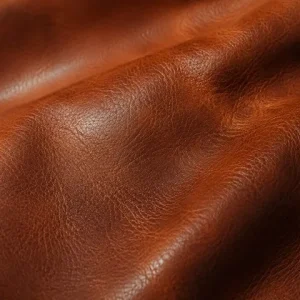
When Cracking Has Already Started
If a bag already shows early stiffness or surface lines, conditioning can usually restore flexibility, but it can’t reverse an actual crack once the fibers have broken. At that point, the priorities are to stop further drying (move it out of heat immediately) and get a professional opinion before applying anything else, since over-conditioning damaged leather can sometimes make surface cracking worse.
For pieces bought through Kaizer, the FAQs and returns page has guidance on what’s covered and how to reach the team for a care assessment.
The Bottom Line
Leather bag cracking in Dubai’s heat isn’t about bad luck or bad leather — it’s a predictable response to heat-AC cycling and low indoor humidity, and it’s manageable with a routine built for this specific climate rather than generic care advice written for milder countries. Treat conditioning as scheduled maintenance, keep pieces out of direct heat, and choose full-grain, vegetable-tanned leather to begin with, and a bag bought today should genuinely look better in three years than it does on day one.