Style Guides / Men's Leather Bags
The Complete Leather Backpack Buying Guide: How to Choose a Backpack That Lasts a Lifetime
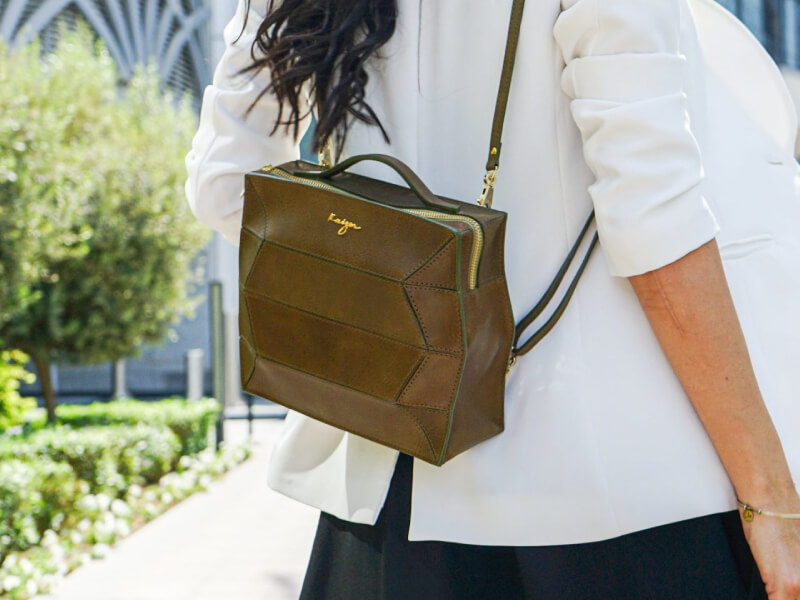
Full-grain leather backpack, hand-stitched in Dubai — Kaizer Leather
A good backpack is one of the few accessories that has to earn its place in your daily routine every single day — through the commute, the flight, the gym bag swap, the laptop bag substitute. Most backpacks fail this test within a year or two: zippers split, straps fray, and nylon panels sag under the weight of a laptop and a water bottle. A well-made leather backpack, on the other hand, only gets better with time. The leather softens, develops a rich patina, and molds itself to the way you actually carry it.
At Kaizer Leather, we've spent over 15 years hand-crafting leather goods in Dubai, and the backpack is one of the pieces our customers come back to us for most — men who want something that looks as sharp in a boardroom as it does at the airport gate. This guide walks you through everything you need to know before buying a leather backpack: what to look for in the leather itself, how to pick the right size and structure for your lifestyle, and how to keep it looking better every year you own it.
Table of Contents
- Why a Leather Backpack Beats a Nylon or Canvas One
- Full-Grain vs Vegetable-Tanned Leather: What Actually Matters
- How to Choose the Right Backpack for Your Lifestyle
- Backpack Size and Capacity: What You Actually Need
- Hardware, Stitching, and Straps: The Details That Decide Durability
- Best Occasions for a Leather Backpack
- Leather Backpacks as Corporate Gifts
- Caring for Your Leather Backpack (and Growing a Patina)
- Kaizer Leather's Backpack Collection
- FAQs
Why a Leather Backpack Beats a Nylon or Canvas One
Every backpack material makes a trade-off between cost and longevity. Nylon and polyester backpacks are light and cheap, but they tend to look tired within a year — colors fade, coatings peel, and the fabric itself doesn't age gracefully. Canvas holds up a little better but still shows dirt and wear quickly.
A leather backpack is the opposite. The material is built to take a beating: full-grain leather resists abrasion, holds its shape under weight, and — unlike synthetic fabrics — actually improves in appearance as it's used. Scuffs and creases become part of the character of the bag rather than signs of damage. That's the entire idea behind our Leather Patina philosophy: a bag that tells a story instead of hiding one.
There's also a practical side. Leather is more structured, so a leather backpack holds its form even when it's half-empty, rather than collapsing like a soft nylon bag. That structure is exactly what makes it look intentional with tailoring or business casual wear, in a way a sports backpack never quite manages.
Full-Grain vs Vegetable-Tanned Leather: What Actually Matters
Not all leather backpacks are made from the same grade of hide, and the difference shows up fast.
- Full-grain leather uses the entire top layer of the hide, including its natural grain. It's the strongest, most durable option, and it's the only grade that develops a genuine patina over time. Almost every premium leather backpack worth buying is made from full-grain leather.
- Top-grain leather is sanded down and refinished, which makes it slightly more uniform-looking but removes some of the natural texture and long-term character.
- Bonded or "genuine" leather is scrap leather fibers glued together with a coating. It's the cheapest option and the least durable — avoid it for anything you plan to keep for more than a season.
- Vegetable-tanned leather refers to the tanning method rather than the grade, using natural tannins instead of chromium salts. It's the traditional Italian tanning process, prized for how richly it ages and its lower environmental impact.
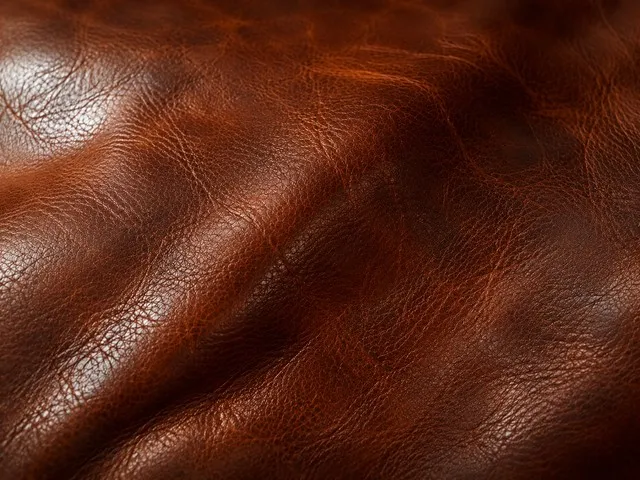
Full-grain leather close-up
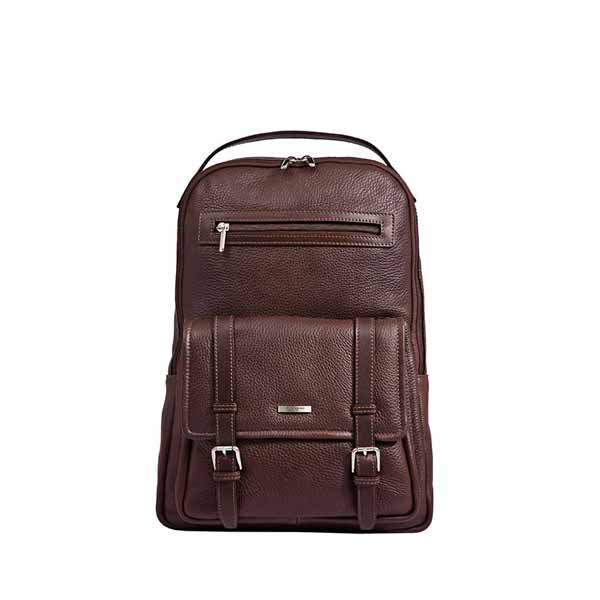
Vegetable-tanned finish
At Kaizer Leather, our backpacks are built from full-grain, Italian vegetable-tanned hides — the same standard we apply across our men's leather bags collection, from briefcases to messenger bags. If you're comparing backpacks online, always check whether the listing specifies "full-grain" — vague terms like "genuine leather" or "PU leather" are a red flag.
How to Choose the Right Backpack for Your Lifestyle
Before you buy a leather backpack, be honest about how you'll actually use it day to day. The right backpack for a daily commute is different from the right one for weekend travel or the office.
For the daily commute: Look for a slim-profile backpack with a padded laptop compartment, an easily accessible front pocket for your phone and cards, and a top handle so you can grab it quickly on a train or in a lift.
For business and client meetings: A structured leather backpack with a squared-off silhouette reads more formal than a rounded, drawstring-style bag. Pair it with a matching men's leather wallet for a coordinated look.
For travel: Prioritize capacity and organization — multiple compartments, a dedicated tech sleeve, and comfortable, adjustable straps that won't dig in after hours at the airport.
For everyday carry: If you switch between a backpack and a crossbody bag depending on the day, look for a design with convertible or removable straps so one bag can do double duty.
Backpack Size and Capacity: What You Actually Need
Backpack capacity is usually listed in liters, but the number matters less than what actually fits.
- 15–20 liters — Ideal for a slim daily backpack: laptop, notebook, charger, wallet, and small essentials.
- 20–25 liters — The sweet spot for most men's leather backpacks; enough room for a laptop, a change of clothes, or gym kit without becoming bulky.
- 25–35 liters — Better suited to overnight travel or carry-on use.
A common mistake is buying a backpack that's larger than needed "just in case." An oversized leather backpack that's only half full loses its structure and looks sloppy — one more reason full-grain leather's natural stiffness is an advantage over soft nylon.
Hardware, Stitching, and Straps: The Details That Decide Durability
This is where most cheap backpacks fall apart — literally. When you're evaluating a leather backpack, check these details before you check the price tag:
- Stitching: Hand-finished, even stitching along stress points (strap attachments, base seams) lasts far longer than machine stitching alone. Look closely at the corners and the base of the bag, where the weight concentrates.
- Zippers and buckles: Solid brass or nickel hardware resists corrosion and won't seize up after a few months. Avoid painted or plastic-coated zippers on anything marketed as premium.
- Straps: Adjustable, padded straps distribute weight across the shoulders. On a leather backpack, the strap attachment points should be reinforced — this is usually the first place a poorly made bag fails.
- Base: A reinforced or slightly raised base protects the bag when you set it down and prevents the leather from wearing through.
At Kaizer, every backpack is hand-stitched by our Dubai-based artisans, with reinforced strap points and solid hardware — the same craftsmanship standard behind our Corporate Gifts program, where bags need to hold up to daily business use for years.
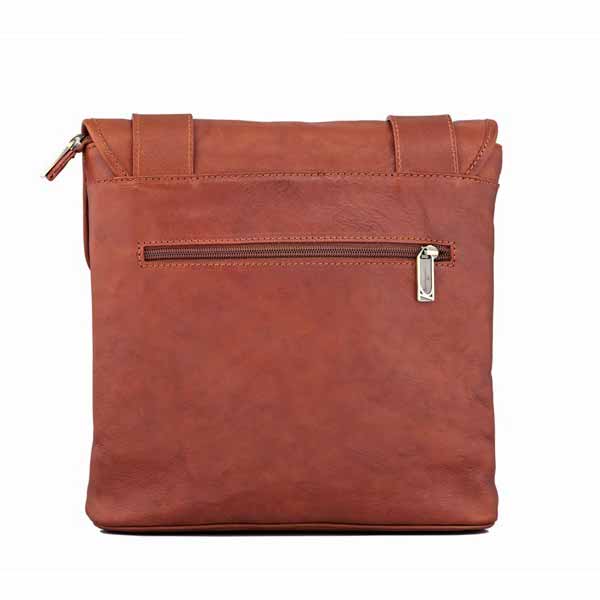
Reinforced strap stitching and solid brass hardware
Best Occasions for a Leather Backpack
- Office and client meetings — A structured, minimal design in black or dark brown works with formal and business-casual dressing alike.
- Business travel — Swap a wheeled laptop bag for a backpack and keep both hands free through the airport.
- Weekend and city breaks — A mid-size leather backpack carries a day's essentials without looking like luggage.
- Gifting — A leather backpack is a practical, long-lasting gift for graduations, promotions, or corporate milestones — see our dedicated Corporate Gifts collection for bulk and personalized options.
Leather Backpacks as Corporate Gifts
Leather backpacks have become one of the most requested items in our corporate gifting program, and it's easy to see why: unlike branded pens or notebooks, a leather backpack gets used every day, which keeps your brand — or your gesture of appreciation — in front of the recipient for years. We work with companies, hotels, and private collections in Dubai to supply personalized leather backpacks with embossing, monogramming, and bespoke patina finishes, all handled with the same discretion as our individual Atelier Partnership commissions.
Looking to gift a leather backpack to your team or clients?
Explore Corporate Gifting →Caring for Your Leather Backpack (and Growing a Patina)
- Condition it every few months with a leather-specific conditioner to prevent the material from drying out, especially in hot or air-conditioned climates.
- Avoid soaking it — if it gets wet, let it air-dry away from direct heat or sunlight, which can crack the surface.
- Store it upright and stuffed lightly with tissue paper when not in use, so it holds its shape.
- Let the patina develop naturally. Scuffs, sun exposure, and daily handling all darken and deepen the color of vegetable-tanned leather over time — this is a feature, not damage.
- Clean spills immediately with a soft, dry cloth rather than water or household cleaners.
If you want to actively shape how your bag ages, our Leather Patina service lets you personalize the aging process on any Kaizer piece, a tradition we treat as seriously as the original craftsmanship.
Kaizer Leather's Backpack Collection
Every backpack in our collection is built from full-grain, Italian-sourced leather and hand-stitched in our Dubai atelier. Two of our most popular styles:
- Leather Backpack – Urban — A slim, minimal-profile backpack designed for daily commuting, available in black and brown.
- Mens Leather Backpack – City — A structured, business-ready backpack from our City collection, built for laptops and daily essentials without sacrificing a formal silhouette.
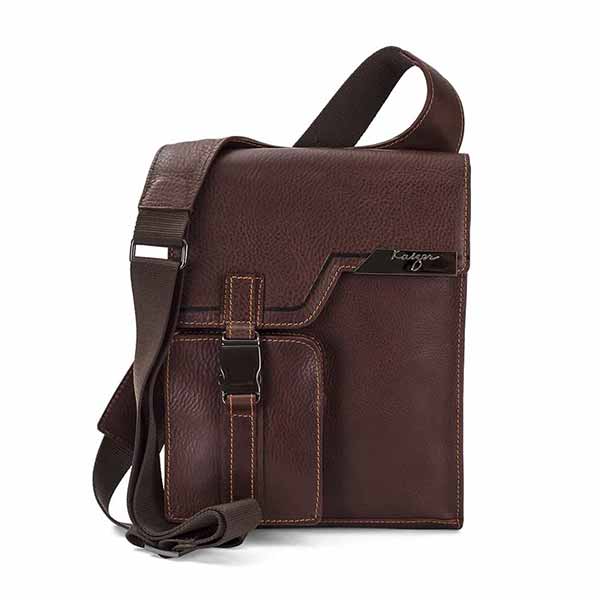
Leather Backpack – Urban
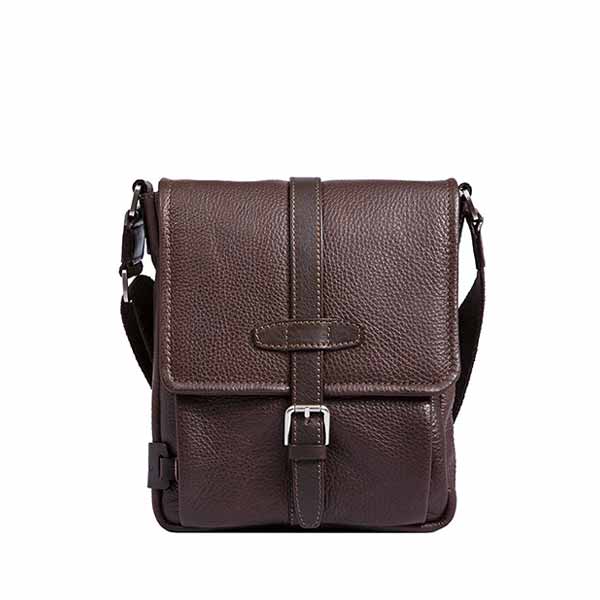
Mens Leather Backpack – City
You can browse our full range, including crossbody styles that pair with the same collections, under Men's Leather Crossbody Bags & Backpacks. If you're building out a full everyday-carry set, it's worth pairing your backpack with a matching piece from our men's wallet collection or business bags for men range.
Ready to find your next everyday backpack?
Shop Leather Backpacks →Frequently Asked Questions
What is the best type of leather for a backpack?
Full-grain leather is widely considered the best choice for a backpack because it retains the hide's natural strength and grain, resists wear, and develops a rich patina over time. Vegetable-tanned full-grain leather, like the Italian hides Kaizer Leather uses, offers the best combination of durability and long-term character.
How much should I expect to pay for a good leather backpack?
Prices vary widely based on the leather grade and craftsmanship, but a genuinely full-grain, hand-stitched leather backpack typically starts in the mid-hundreds of dollars/AED range and can go higher depending on size, hardware, and finishing. Backpacks priced far below that are usually made with bonded leather or synthetic alternatives.
Can a leather backpack fit a laptop?
Yes — most leather backpacks designed for daily or business use include a padded, dedicated laptop compartment that fits 13" to 15" laptops. Always check the interior dimensions of a specific model, since sizing varies between styles like the Urban and City backpacks.
How do I clean and maintain a leather backpack?
Wipe spills immediately with a dry, soft cloth, condition the leather every few months with a leather-specific conditioner, and avoid prolonged sun or moisture exposure. Let scuffs and creases develop naturally — on full-grain leather, this patina is part of the bag's aging process rather than a flaw.
Is a leather backpack good for travel?
Yes, provided you choose a size suited to travel — typically 25 to 35 liters — with well-organized compartments and padded, adjustable straps. Leather's structure also holds up better to being packed and repacked repeatedly compared to soft canvas or nylon bags.
What's the difference between a leather backpack and a leather crossbody bag?
A backpack distributes weight across both shoulders and suits laptops, travel, and heavier daily loads, while a crossbody bag is worn diagonally across the body and suits lighter, quick-access essentials. Many people own both — Kaizer Leather's crossbody and backpack collection covers both styles in matching leather finishes.
